Advanced Vision Systems for Identity Processing
As networks become more distributed, standard perimeter-based models are no longer sufficient. Modern approaches concentrate on lowering implicit trust and continually verifying access. No Trust security models assume no intrinsic trust based on network place. Zero Trust Network Access (ZTNA) implements continuous confirmation based on identity, device posture, and context, limiting lateral movement and lowering the effect of compromised qualifications.
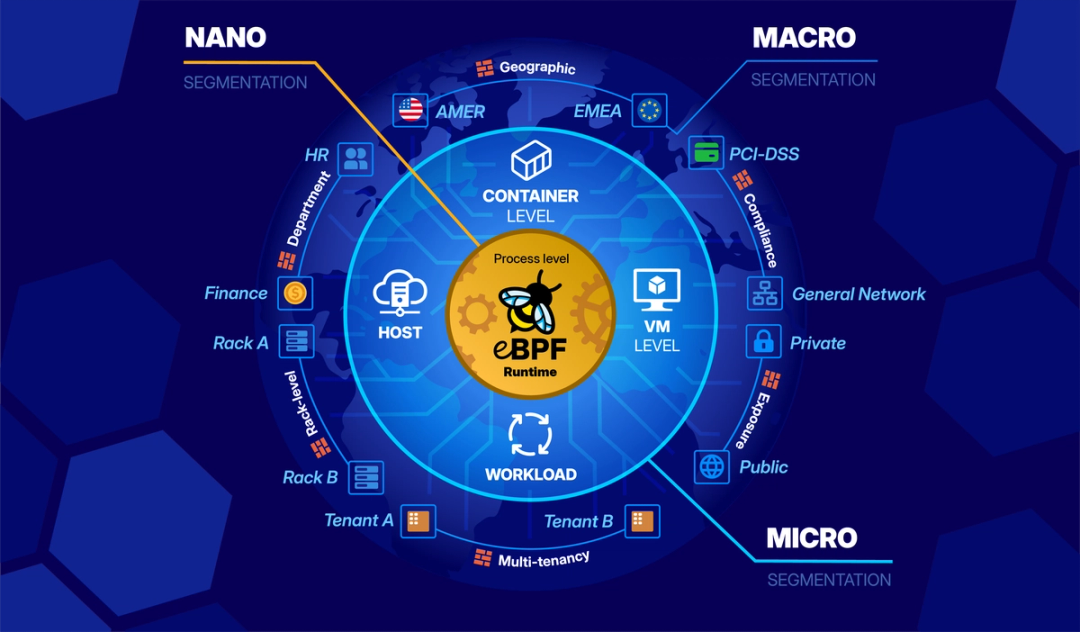
Network division restricts how work and devices interact, helping consist of risks and enforce least-privilege gain access to. Policies are used regularly to manage ingress, egress, and eastwest traffic circulations. Comprehensive exposure into traffic patterns, habits, and performance enables quicker detection of abnormalities and more informed reaction decisions.
Network security protects networks and the data they carry from unapproved gain access to, abuse, and cyberattacks. It guarantees systems remain personal, readily available, and trustworthy throughout all digital environments. Its functions are: Avoids unauthorized gain access to and cyber threatsProtects data integrity, confidentiality, and availabilityUses layered security manages throughout devices, users, and systemsEnsures safe interaction and dependable network operations Network security overcomes numerous protective layers that control access at both the network edge and inside the environment.
The core idea is to secure big amounts of information using layered defenses that impose guidelines before any action is enabled. These layers include: Working of Network Security Physical security prevents unauthorized people from physically accessing network hardware, servers, or gadgets. Utilizes access cards, biometrics, CCTV, and locked server roomsProtects routers, switches, cable televisions, and data centersPrevents tampering, gadget theft, and hardware-level attacks Technical security safeguards data as it is kept, processed, and transmitted throughout the network using software-based controls.
Manages authentication, permission, and user rolesEnforces security policies and gain access to controlsEnsures proper setup, tracking, and compliance Below are the major kinds of network security controls that protect networks from breaches, unauthorized gain access to, and cyber threats. Email security safeguards e-mail accounts from phishing, malware, scams, data theft, and unapproved gain access to. Filters spam, destructive links, and phishing emailsBlocks dangerous accessories and outbound data leaksProtects one of the most typically exploited attack vectors Network segmentation divides a network into separated sectors to reduce attack spread and implement security policies.
Access Management Automation in 2026
Recognizes devices before approving accessRestricts or blocks non-compliant endpointsEnforces authentication and permission policies Sandboxing runs files or code in an isolated environment to find destructive habits safely. Avoids malware from reaching the networkSimulates real OS behavior for analysisIdentifies zero-day and unidentified dangers Cloud security safeguards cloud workloads, applications, and kept information from unauthorized access and breaches.
XRumerBlocks damaging URLs and web-based attacksSecures web gateways on-prem and in the cloudProtects organizational websites from vulnerabilities IPS monitors network traffic to spot, avoid, and block destructive activity in genuine time. Recognizes suspicious behavior and attacksAutomatically blocks hazardous trafficGenerates logs and reports for analysis Anti-virus services discover, obstruct, and remove malware such as viruses, Trojans, ransomware, and worms.
Serve as a barrier in between trusted and untrusted networksControls inbound and outbound trafficPrevents invasions and unauthorized connections Application security secures software and apps from vulnerabilities and exploitation throughout advancement and usage. Includes safe and secure coding, screening, and patchingProtects delicate data managed by applicationsBlocks typical attacks such as injection or XSS Wireless security safeguards Wi-Fi networks from unapproved access and wireless-specific attacks.
Controls which devices can link to the networkEnforces file encryption and safe and secure connection policiesMonitors mobile traffic for suspicious activity Industrial network security secures operational innovation systems like SCADA, PLCs, and crucial facilities. Segments OT networks from IT networksMonitors gadget habits and anomaliesPrevents attacks on production and industrial systems A VPN secures the connection between users and networks, making sure secure remote gain access to.
Evaluating API-Based CAPTCHA Services Online
Decreases the risk of significant financial damage resulting from data breaches, ransomware, or downtime. Assists preserve client trust by securing confidential information and preventing public security events. Ensures smooth and uninterrupted organization operations by stopping cyberattacks and unapproved gain access to before they cause disruption.
Every week, networks seem to grow in size and intricacy. Information storage approaches shift, with brand-new possessions to protect. In an ever-changing digital world, network security has actually never been more vital.
Techniques to protect networks change all the time. In this glossary short article, we will explain network security basics. We will present the CIA concept, and we will likewise take a look at modern security methods. This article summaries the subject, however you can fine-tune your knowledge with comprehensive texts about related concepts.
XEvil 5is vital for protecting versus external risks, it includes protecting digital and physical connections to the web. variety from LANs for little locations to WANs and SD-WANs for bigger areas and cloud security. Operating as Layer 3 of the OSI model, by creating and routing packages, typically protected through file encryption.