Comparing Premium Cloud OCR Tools
Today, organizations are handling thousandssometimes millionsof digital identities throughout users, gadgets, apps, and services. As identity sprawl intensifies, the need for scalable, effective, and protected solutions becomes crucial. That's where automated identity steps in. By improving how users are provisioned, deprovisioned, and gave access, identity and access management (IAM) automation makes sure organizations can move at the speed of modern businesswithout compromising security.
XEvilAccording to IBM's Cost of an Information Breach Report 2024, the average cost savings for companies that used security AI and automation was $2.22 M.Automating identity workflows not only lowers the danger of human error but also enhances compliance, minimizes gain access to hold-ups, and minimizes administrative overhead. In this short article, we'll check out the core advantages of IAM automation, the difficulties to execution, and best practices for making the shift from manual identity management to a future-ready, automated identity community.
Standard identity management relies on manual treatments and decentralized tools, frequently leading to delays and disparities. Automated identity management streamlines user lifecycle processes by incorporating precise steps that support improved security and performance.
Security Essentials for Massive Automation
This system minimizes the threat of breaches and limitations manual mistakes by using a managed, automated treatment for identity management that lines up with modern-day IT security requirements: Conventional Identity Setup Manual setup needed Unified process Maintenance Error-prone and sluggish Effective and trusted Precision High risk of human error Constant accuracy Security Inconsistent safeguards Uniform security The streamlined method of automated identity enables IT and security leaders to address essential difficulties such as identity tiredness and sprawl.
Automated identity plays a crucial role in modern-day identity and access management methods by getting rid of manual overhead, increasing accuracy, and scaling safely as companies grow. As digital communities broaden and hybrid work ends up being the norm, handling gain access to for both human and non-human identities has actually become too intricate and time-sensitive to handle manually.
Some advantages include: Structured OperationsSecure Access ProvisioningReduction in Human Being ErrorsCost EfficiencyEnhanced Staff Member ProductivityTimely Gain Access To RevocationImproved User ExperienceManaging Identity Lifecycle at Scale Automated identity systems streamline regular tasks, enabling IT and security groups to focus on strategic concerns. This streamlined approach minimizes manual mistakes and speeds up processes while making sure that gain access to across all applications remains safe.
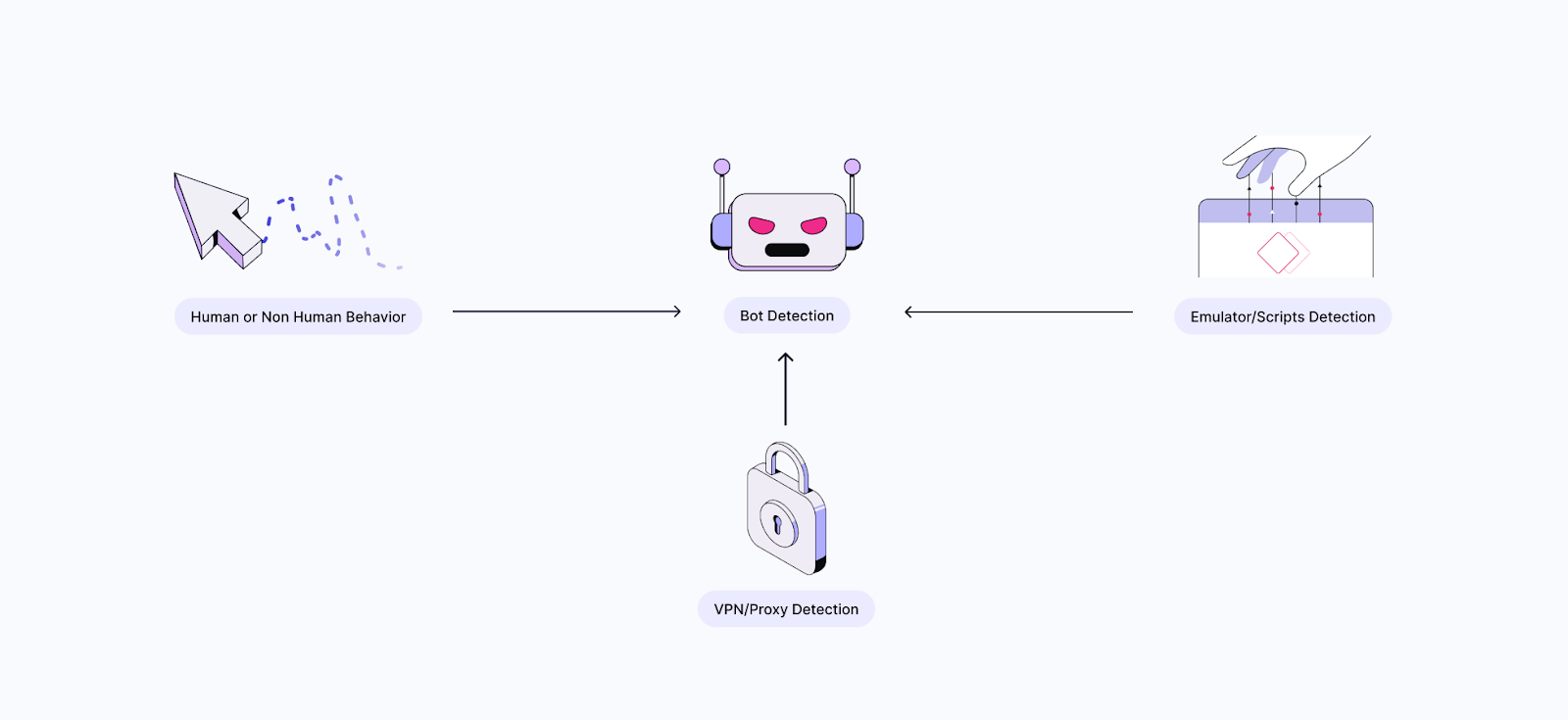
How to Bypassing Advanced Bot Detection
The unified system provides constant updates and reputable operations, making it a perfect option for managing the identity lifecycle successfully. Safe and secure access provisioning within automated identity platforms considerably improves the management of who accesses what within an organization. This system supplies IT and security professionals with a clear, centralized approach for updating user consents, making sure that only confirmed users acquire entry to necessary applications.
By replacing standard manual approaches, the automated procedure protects gain access to while minimizing administrative problems. This technique not just lessens the chance of misconfiguration but likewise accelerates the approval and revocation process, which is crucial for companies facing identity fatigue. The results are swift, efficient services that align with modern-day IT security requirements and improve overall system dependability.
The system ensures that each step in the identity lifecycle follows a set pattern, eliminating unpredictable gaps and decreasing misconfigurations: Streamlined workflows lower the risk of mistakesAutomated evaluations ensure accuracySystematic updates avoid outdated permissionsTechnology-driven identity management brings precision to user provisioning and administration, resolving key pain points for companies. IT leaders observe practical improvements, such as prompt approval updates and enhanced functional stability, which eventually support much better security practices and functional effectiveness.
IT and security professionals experience less manual interventions, which decreases redundant work and cuts total expenses. This system also trims labor costs through streamlined permission updates, causing much faster response times and improved efficiency. The central process supports a sustainable approach to security that keeps spending plans in check while attending to organizational needs.
IT specialists observe that a unified system results in quicker decision-making and smoother user management, allowing teams to focus more on tactical work. The automation of identity administration lessens downtime and gets rid of recurring work, providing workers more time to attend to core obligations. IT and security leaders see this method as a useful option for keeping efficient workflow and clear functional advantages.
The Future of Identity Management Systems in 2026
This precise procedure assists IT and security experts maintain strict control over gain access to management, improving general IT security. Rapid removal of outdated permissions reduces direct exposure to hazards and reduces functional disruptions, providing companies an efficient path to handle the identity lifecycle. IT and security leaders benefit from actionable controls that simplify revocation workflows, making it simpler to sustain a robust access structure.