Comprehending the Mechanics of Modern Behavioral Detection Engines
Evolution of Automated Interaction in the modern web
2026 has actually seen a considerable shift in how web platforms distinguish between legitimate visitors and automated scripts. The traditional approaches utilized to obstruct bots have mostly stopped working. Fixed images with distorted text and easy reasoning puzzles are no longer adequate to stop contemporary automation. The existing battle involves a deep look at how humans communicate with their devices compared to how code executes a task. Security teams in the local area are discovering that the lines between human behavior and device simulation are thinner than ever.Optical Character Acknowledgment (OCR) was when a significant hurdle for many bot designers. A couple of years ago, including noise or lines to a verification image would effectively stop a program from reading it. In 2026, vision-based neural networks have reached a point where they can see through these distractions with higher accuracy than many people. These models do not simply search for letters. They understand the geometry of the characters and the context of the noise surrounding them. This has actually forced security suppliers to move far from visual puzzles and toward behavioral analysis.
The Increase of Behavioral Biometrics in digital security
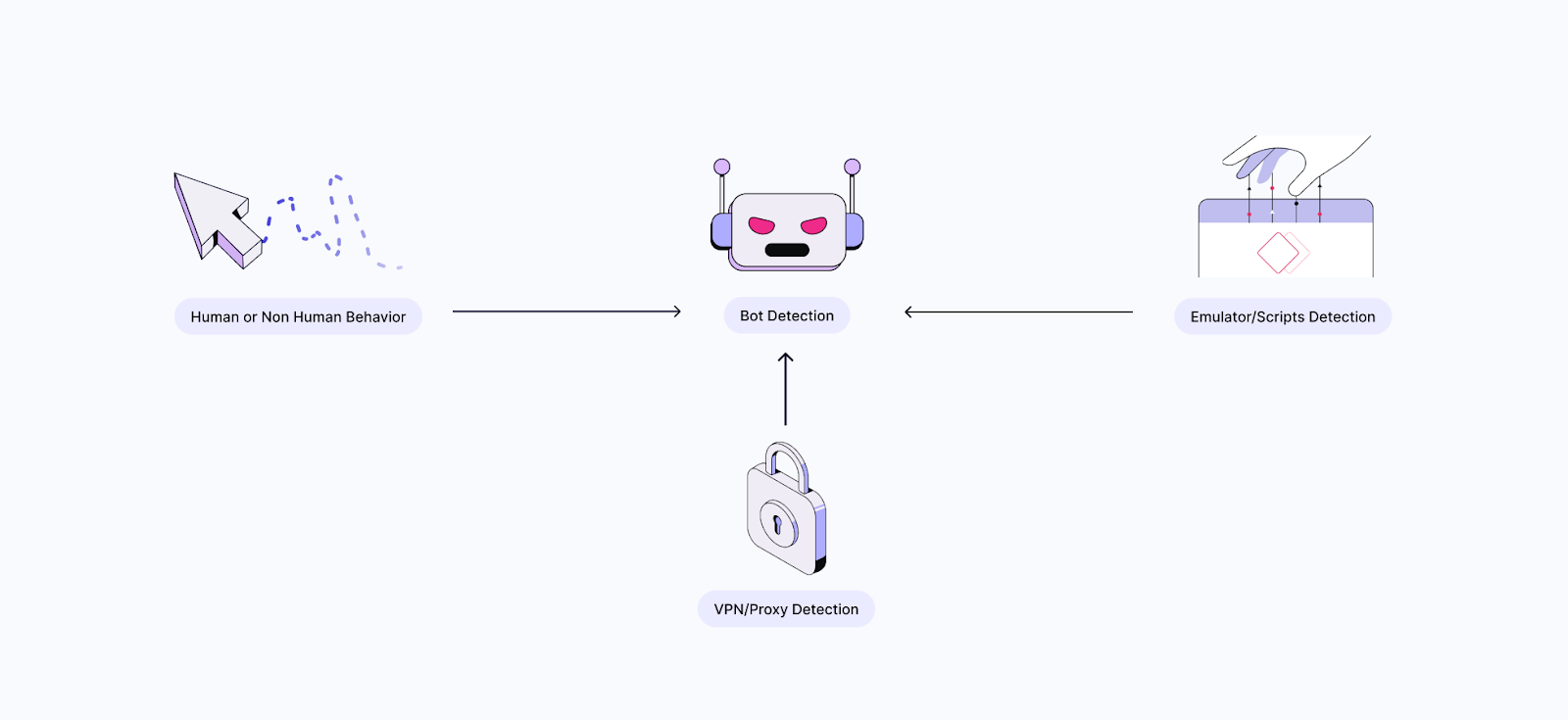
Behavioral bot detection is the primary defense utilized by massive platforms in 2026. Rather of asking a user to prove they are human through a test, the system sees how they behave. This includes tracking mouse motions, typing speed, and touch screen pressure. A human moving a mouse does not travel in an ideal line. There are micro-tremors, small overshoots, and variations in speed. Scripts typically moved from point A to point B with mathematical accuracy, making them simple to spot.Detection systems now utilize maker learning to build a profile of what a "regular" interaction appears like. They gather thousands of information points during a single session. This information is compared against understood human patterns in real-time. If the motion is too smooth or the timing between keystrokes is too constant, the system flags the session. Comprehending Asia Virtual Solutions Update supplies context for these security updates and helps discuss why basic bypasses no longer work.
Bypassing Modern Detection with Generative Models
The bypass methods appearing in 2026 have ended up being more advanced to counter these behavioral checks. Bot developers are now utilizing Generative Adversarial Networks (GANs) to develop "human" jitter. These networks are trained on millions of taped human sessions. When a bot needs to move a mouse or scroll a page, the GAN generates a course that includes the same imperfections found in human motion. The outcome is a script that simulates the doubt and error of a person.Another layer of this bypass includes using internet browser fingerprinting evasion. The majority of detection systems look at the software and hardware setup of the visitor. They inspect things like battery level, screen resolution, and the particular variation of the internet browser's rendering engine. In 2026, advanced scripts can spoof these information completely. They rotate through thousands of real-world gadget profiles, making it appear as though each demand is originating from an unique, legitimate smart device or laptop. This makes it difficult for site owners in any region to block traffic based on device track record alone.
The Role of Vision Transformers in 2026 OCR
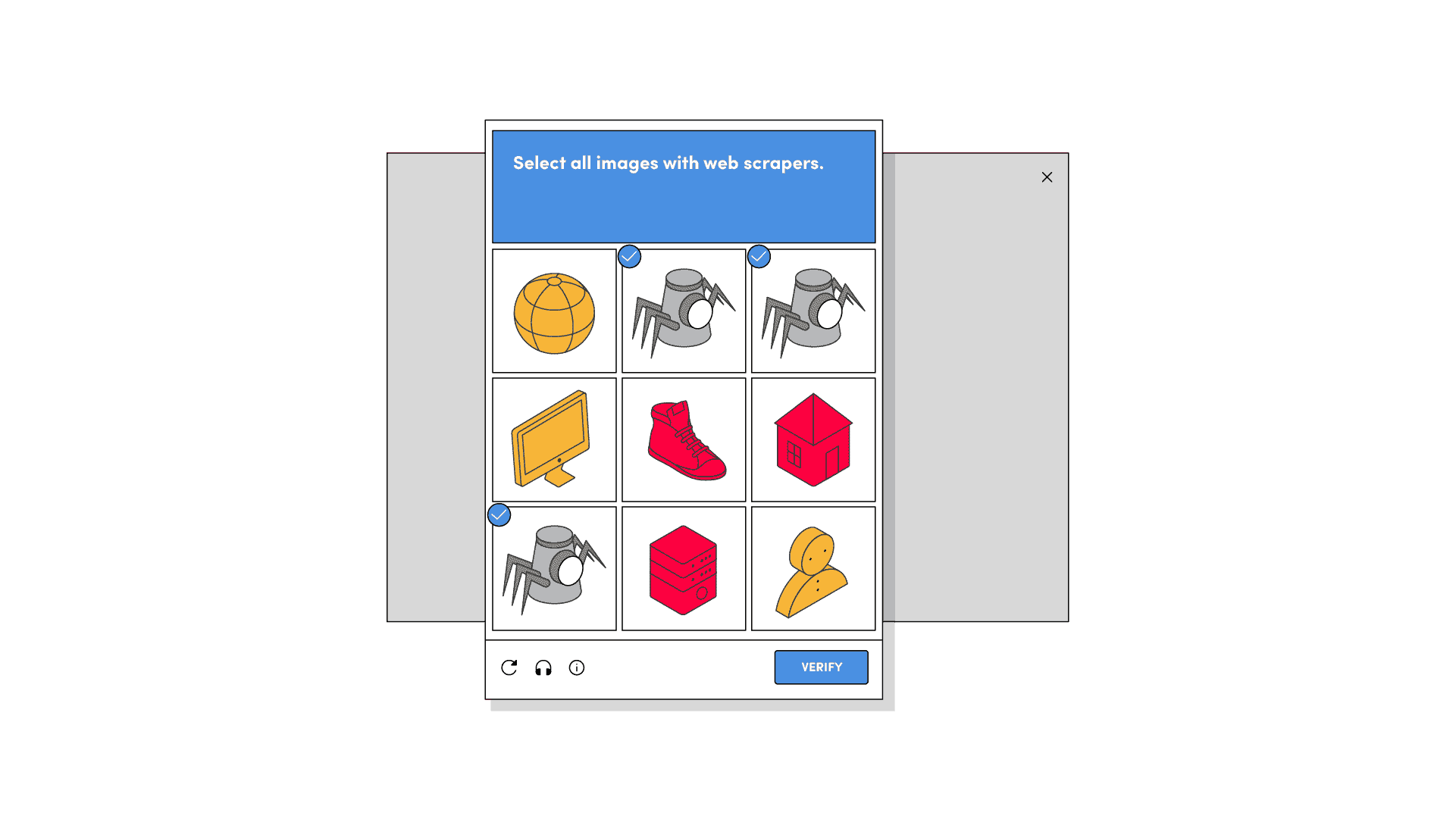
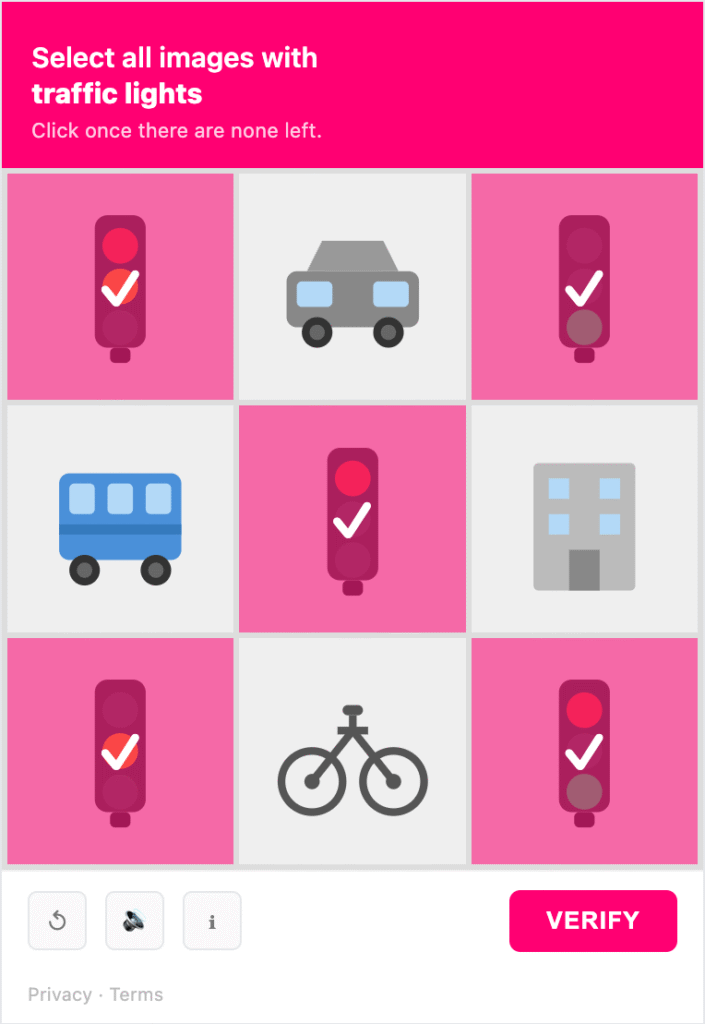
The innovation behind modern OCR has moved previous easy pattern matching. Vision Transformers (ViTs) allow bots to process images as a series of patches, just like how the human eye focuses on different parts of a things. This permits the bot to neglect complex backgrounds or overlapping shapes that would have puzzled older systems. In 2026, even the most tough "click the fire hydrant" tests are fixed in milliseconds by these models.Because the bots are so proficient at seeing, the goal of CAPTCHA companies has altered. They no longer attempt to make the image unreadable to devices. Instead, they focus on the time it takes to solve the puzzle. A human takes a 2nd or two to recognize a things and click. A bot can do it quickly. However, if the bot waits and replicates the "thinking" time of a human, it can often bypass the timing check. Asia Virtual Solutions Update XEvil V5 stays a needed part for information protection due to the fact that it requires the bot to reveal its processing speed.
Server-Side Fingerprinting and TLS Handshakes
Detection does not just happen in the internet browser. In 2026, server-side analysis is just as important. When a web browser connects to a server, it carries out a TLS handshake. This process leaves an unique finger print known as a JA3 or JA3S hash. These hashes can expose if the visitor is utilizing a standard browser like Chrome or a specialized library like Python's "requests" or Go's "http". Most high-security sites now obstruct any connection that does not match an understood, typical browser fingerprint.To bypass this, contemporary 2026 scripts use customized network stacks. These stacks are developed to imitate the exact way a particular variation of an internet browser manages encryption. They don't just send the exact same headers; they buy the extensions and cipher suites in the exact very same sequence. When integrated with behavioral simulation, these bots become practically identical from a real user at the network level. This has actually led to a circumstance where security teams should depend on long-term credibility ratings instead of immediate session data.
Machine Learning vs. Human Intuition
The battle in between artificial intelligence and bot detection is a continuous cycle. As detection models get much better at identifying abnormalities, bypass designs get better at hiding them. In 2026, some systems have actually started utilizing "honeypot" elements that are unnoticeable to humans but noticeable to scripts. For instance, a hidden link or a button that just a bot's OCR would identify can right away expose an automated session.Human instinct is still the hardest thing for a maker to copy. While a bot can replicate a mouse relocation, it deals with the intent behind the relocation. A human may get distracted, scroll back up to re-read a sentence, or time out because they received a notice. Bots are generally task-oriented. They desire to get to the checkout page or the sign-up form as quickly as possible. Security companies in the tech industry are now looking for these patterns of "interruption" as a way to confirm mankind.
Effect on the User Experience in the market
For the typical individual in 2026, this arms race has actually mixed outcomes. On one hand, many sites have gotten rid of bothersome puzzles in favor of unnoticeable background checks. This makes the web feel quicker. On the other hand, when a genuine user is flagged as a bot-- perhaps due to the fact that they utilize a VPN or a privacy-focused internet browser-- it ends up being much more difficult to prove their identity. False positives are a growing issue as security ends up being more aggressive.Data personal privacy is another issue. To find bots successfully, platforms must gather a huge quantity of behavioral information. In 2026, there are continuous arguments about how much of this info need to be stored. Knowing precisely how someone moves their mouse or how they tilt their phone might possibly be used to determine them throughout various websites, creating a new kind of tracking that is tough to obstruct.
Looking Towards completion of 2026
As 2026 progresses, the focus is moving towards "evidence of work" and hardware-based attestation. Instead of puzzles, some websites are beginning to require the visitor's device to perform an intricate computation that is simple for a phone but expensive for a bot farm to do millions of times. Others are using safe enclaves inside contemporary processors to verify that the request is coming from a genuine browser operating on a real operating system.The period of basic bot detection is over. The 2026 environment needs a combination of network analysis, hardware confirmation, and deep behavioral monitoring. For those handling websites in anywhere else, staying ahead suggests understanding that the bot is no longer an easy script, but an advanced maker finding out model created to look, act, and think like an individual. The goal is no longer to stop all bots, but to make it so pricey and hard to bypass the system that just the most devoted actors bother to try. This shift represents the brand-new truth of digital interaction, where every click and scroll is a piece of a much larger identity puzzle.