Evaluating Free Cloud OCR Tools
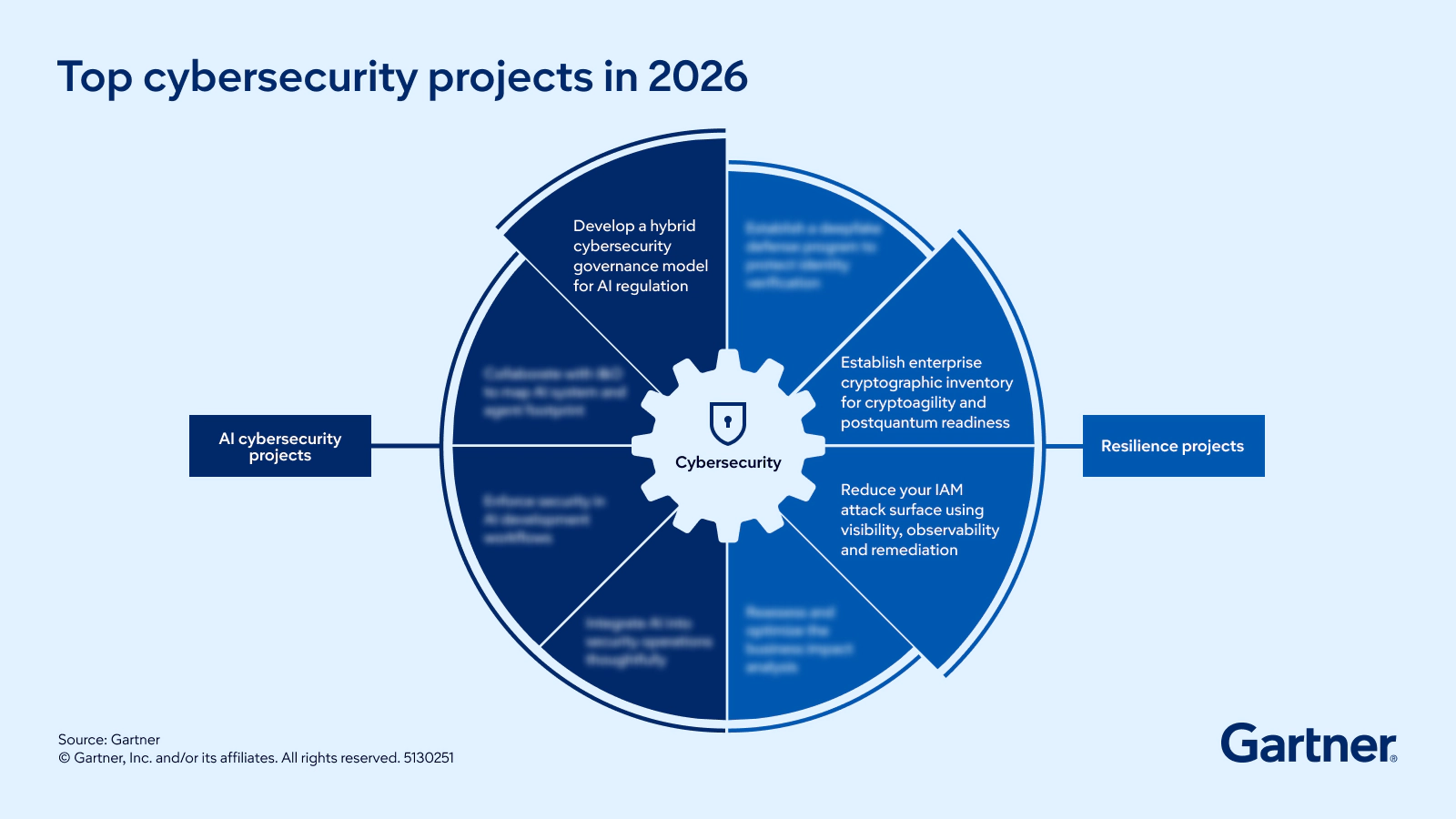
IAM automation combines identity management, eliminating redundant gain access to procedures to streamline user oversight, reduce risk exposure, and boost efficiency. It reduces sprawl by streamlining application gain access to and reducing overall expenses. Automated IAM faces obstacles such as managing access sprawl, integrating different applications, making sure secure staff member lifecycle management, and maintaining easy to use identity governance throughout various systems.
Execute a central identity platform that enhances staff member lifecycle actions, consolidates access throughout applications, and lessens manual mistakes. Standardize policies, use vibrant role projects, and display use with robust analytics for enhanced productivity and security.
A creator went to sleep with a healthy organization and woke up to discover that AI-generated code had actually cancelled every active subscription in his company. An automated ...
This article presents short article provides options you allow: Connect identities with your system of record Synchronize identities integrate Active Directory Domain Services (Solutions DSADVERTISEMENT and Microsoft Entra ID Automate provisioning of users into non-Microsoft applications In most designsA lot of styles human resources (HR) system is the source-of-authority for newly created digital produced.
Strategies for Bypassing Advanced Automation Filters
For instance, if a brand-new user signs up with a business, they have a record in the HR system. That user likely needs an account to gain access to Microsoft 365 services such as Groups and SharePoint, or non-Microsoft applications. The Microsoft Entra provisioning service allows organizations to bring identities from popular HR systems (examples: Workday and SuccessFactors), into Microsoft Entra ID straight, or into advertisement DS.
XEvil 6 Beta setupTo develop a complete user profile for an employee identity, organizations typically merge details from multiple HR systems, databases, and other user information stores.
The identity can be provisioned into downstream systems such as AD DS. As customers move applications to the cloud, and integrate with Microsoft Entra ID, users frequently require accounts in Microsoft Entra ID, and Microsoft Windows Server Active Directory site to access the applications for their work. Here are five common circumstances in which items require to be synchronized between Microsoft Windows Server Active Directory Site and Microsoft Entra ID.
Utilize the table following the situations to identify what technical solution offers the synchronization. Utilize the numbered sections in the next two area to cross recommendation the following table. For users in Microsoft Windows Server Active Directory site that require access to Workplace 365 or other applications that are linked to Microsoft Entra ID, Microsoft Entra Connect cloud sync is the very first solution to check out.
Configuration and management are mostly performed in the cloud, lessening your on-premises footprint. It provides high accessibility and automatic failover, making sure password resets and synchronization continue, even if there's an issue with on-premises servers. For complex, large-scale Microsoft Windows Server Active Directory Site to Azure AD Sync requirements such as synchronizing big groups (over 50,000 members), and gadget sync, usage Microsoft Entra Connect Sync.
New Identity Management Automation in 2026
Nevertheless, they still need a presence on-premises in advertisement DS to access different resources. When an external user from a partner company is created in Microsoft Entra ID using B2B, MIM can automatically provision them into advertisement DS and give those visitors access to on-premises Windows-Integrated Authentication or Kerberos-based applications.
When a group is created in Microsoft Entra ID, it can be immediately integrated to advertisement DS utilizing Microsoft Entra Link Sync. When users need access to cloud apps that still rely on legacy access protocols (for example, LDAP and Kerberos/NTLM), Microsoft Entra Domain Providers synchronizes identities in between Microsoft Entra ID and a managed Microsoft Windows Server Active Directory domain.
XEvil 6 Beta setupAfter identities are in Microsoft Entra ID through HR-provisioning or Microsoft Entra Connect cloud sync/ Microsoft Entra Connect Sync, the employee can utilize the identity to gain access to Groups, SharePoint, and Microsoft 365 applications. Staff members still require access to numerous Microsoft applications to perform their work. Microsoft Entra ID supports the System for Cross-Domain Identity Management (SCIM) (SCIM 2.0) standard and incorporates with hundreds of popular software application as a service (SaaS) applications such as Dropbox and Atlassian or other clouds such as Amazon Web Services (AWS), Google Cloud.
In addition to the pre-integrated gallery applications, Microsoft Entra ID supports provisioning to SCIM allowed line of work applications, whether hosted on-premises or in the cloud. The Microsoft Entra provisioning service develops users and groups in these applications, and handles updates such as when a user is promoted or leaves the business).