Evaluating Private Hosting Rental in Enterprise Scaling

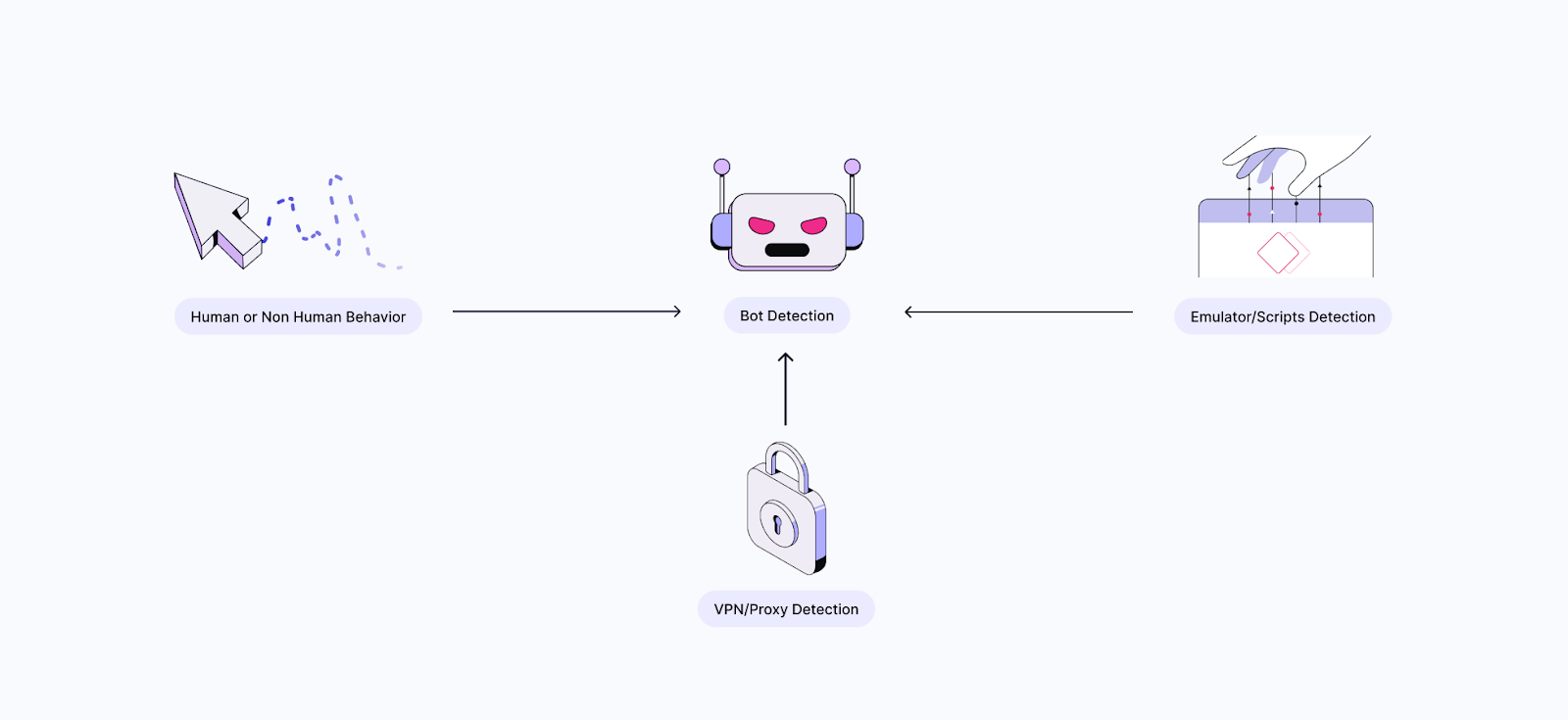
Now, let's have a look at what actually happens when an automated bot tries to go to a page safeguarded by Cloudflare.: The sample scripts below will be composed in Python, however the exact same principles apply regardless of the shows language, HTTP client, or browser automation tool you select. For this presentation, we will use the Cloudflare challenge page from ScrapingCourse: This is a site that needs passing Cloudflare's verification.
As a standard test, we will see what happens when checking out the Cloudflare-protected page above using two different approaches: With an HTTP customer like Requests With an internet browser automation tool like Playwright Check whether Requests can immediately bypass Cloudflare's human verification with: # pip set up demands import demands # Connect to the target page response = ("") # Raise exceptions in case of HTTP error status codes response.raise _ for_status() # Validate if you received the success page html = print("Cloudflare Bypassed:", "You bypassed the Cloudflare challenge!:D" in html) Keep in mind that the script will not even reach the final print() statement.
HTTPError: 403 Customer Error: Forbidden for url: As you can see, Cloudflare recognized the demand as originating from an automated script and obstructed it with a 403 Forbidden reaction. Let's now attempt with a browser automation solution like Playwright: # pip set up playwright # python -m playwright install from playwright.sync _ api import sync_playwright from playwright.sync _ api import TimeoutError with sync_playwright() as p: web browser = (headless=Real) page = browser.new _ page() # Go to the target page ("") attempt: # Wait for the desired text to be on the page page.locator("text=You bypassed the Cloudflare challenge!:D"). wait_for() challenge_bypassed = True other than TimeoutError: challenge_bypassed = False # Close the browser and release its resources () print("Cloudflare Bypassed:", challenge_bypassed) This script instructs a Chromium web browser to go to the target page.
The Role of Identity Automation Affects Digital Access
Run the required installation commands and carry out the script above. You will see the following output: Cloudflare Bypassed: False If you run it in headed mode (headless=False), you'll observe that the script gets stuck on the Cloudflare confirmation page. This will show a Turnstile CAPTCHA and waits for it to be by hand solved:: If you attempted to automate clicking the Turnstile checkbox, the confirmation would stop working.
Check out three methods you can utilize to bypass Cloudflare security with your automated script. Do not forget that Cloudflare functions as a CDN, which indicates it caches and distributes website content across multiple geographically distributed servers. Sites distributed by means of Cloudflare are usually only available through servers in the CDN network.

The repercussion would be that you might engage with the site while bypassing Cloudflare completely. After all, Cloudflare can only examine requests that travel through its network. That is possible by looking at DNS history lookup tools like SecurityTrails to recognize any historic DNS records that reveal the initial server's IP address.
The issue is that the server may have extra configurations in location to accept requests just from Cloudflare's IP variety. That would make it almost impossible to connect to the website straight without being blocked. In addition, successfully discovering the initial server IP is quite difficult and not likely. Online, you can discover numerous complimentary and open-source libraries designed to bypass Cloudflare.
Advanced Bypass Techniques for Bot Detection in 2026
: A light-weight PHP module to bypass Cloudflare's anti-bot pages.: A plan to bypass Cloudflare's anti-bot JavaScript challenges. Not surprisingly, many of these jobs have actually not received updates in years. The factor is that developers gave up due to the continuous struggle to stay up to date with Cloudflare's updates. So, these tools usually do not work for long.
To be efficient, these libraries or online services require to offer at least the following functions: JavaScript rendering, so that Cloudflare's JavaScript challenges can be executed appropriately. TLS, HTTP header, and browser fingerprint spoofing to replicate genuine users and prevent detection. Turnstile CAPTCHA solving capabilities, to handle Cloudflare's human verification when it appears.
In addition, premium options often include an integrated proxy network to rotate IP addresses and reduce the threat of getting blocked. In the following 2 chapters, you will see both open-source and mostly exceptional options in action! Many open-source services that claim to bypass Cloudflare just manage to do so for a minimal time period.
It is no surprise that lots of tools that when worked (like Puppeteer Stealth) no longer accomplish the goal. Still, at the time of composing, there are 2 options that really manage to bypass Cloudflare's protections:: An open-source, anti-detect Python web browser based upon a personalized Firefox develop, created to evade bot detection and allow web scraping.