How Automated Captcha Solving Scale ROI
This system streamlines the management of user roles, making it much easier to scale processes alongside organizational growth. IT experts observe that such accuracy in tracking identity changes not only bolsters security but also minimizes the burden on administrative groups, leading to more efficient operations. Automated identity and gain access to management uses transformative potentialbut getting there isn't without its obstacles.
A few of the typical challenges in implementing automated IAM consist of: Resolving Skills GapsEnsuring Organizational ReadinessIntegration ComplexityManaging False PositivesEnsuring Data Privacy and Ethical UseEach of these obstacles provides a chance for IT and security leaders to future-proof their identity technique, reduce threat, and construct automation that really worksfor both the company and individuals who run it.
Organizations typically battle with lining up existing team abilities with the technological needs of consistent and secure identity management. To solve this, business can purchase training and certification programs that focus on exact identity administration techniques to close the knowledge gap: Structured discovering sessions on rule-based processesHands-on workshops for combined identity lifecycle managementCollaboration with market professionals for constant skill enhancementThis technique helps groups construct the needed expertise to support smooth transitions to automated systems while improving overall functional efficiency.
IT and security leaders examine current practices and establish training programs for unified identity cycle management to align with modern-day functional needs. Ensuring preparedness includes assessing team abilities, improving combination, and setting clear responsibility for identity governance: Action Team Training Offer targeted workshops More powerful ability Process Integration Standardize workflows Improved functional effectiveness Responsibility Assign clear functions Effective identity oversight Combination complexity frequently emerges when business try to merge automated identity platforms with existing IT facilities.
The obstacles reach adjusting existing protocols to a unified technique, as incompatible systems need extra mapping and setup. Smoother combination is achievable through careful planning and collaboration among IT experts, guaranteeing the brand-new option suits the existing structure with minimal disturbances. Automated identity systems often trigger incorrect alerts, puzzling legitimate demands with threats, which impacts functional workflow for IT and security groups; groups use rule-based processes for more accurate identity management to lower these occurrences and enhance total system reliability: Standard Technique Error Detection Manual evaluation needed Rule-based triggers Response Time Postponed action Instantaneous notifies Precision Inconsistent outcomes Enhanced accuracy IT specialists note that minimizing incorrect positives enhances system clearness and provides fast, targeted changes; maintaining structured security controls makes it simpler to keep operations protect and responsive to the developing identity management needs of the company.
Network Essentials for Massive Automation
IT experts gain from automated identity systems that thoroughly keep an eye on info circulation and support ethical practices throughout gain access to management. Organizations rely on automated identity platforms that ensure accountable handling of user information while meeting ethical requirements. IT leaders see useful value in using rule-based controls that keep data safe and secure and transparent throughout the lifecycle of gain access to consents.
With today's broadening hazard surface area and tightening guidelines, organizations require identity and access management solutions that can keep oversight without producing operational drag. Automation delivers that balance, using real-time control, constant validation, and airtight reporting. Automated audit routes supply IT and security leaders with a clear record of gain access to changes, making sure every update in the identity lifecycle is tracked properly.
By counting on automated audit trails, teams acquire valuable insights into gain access to patterns and protected practices, decreasing the risk of unapproved adjustments. This approach streamlines the review procedure for security compliance, making it much easier for organizations to satisfy industry requirements and address operational concerns. Automated identity platforms offer a structured approach to regulatory compliance by making sure that access controls and user permissions are integrated with requirements like GDPR, HIPAA, and SOX.
XEvil recaptcha solving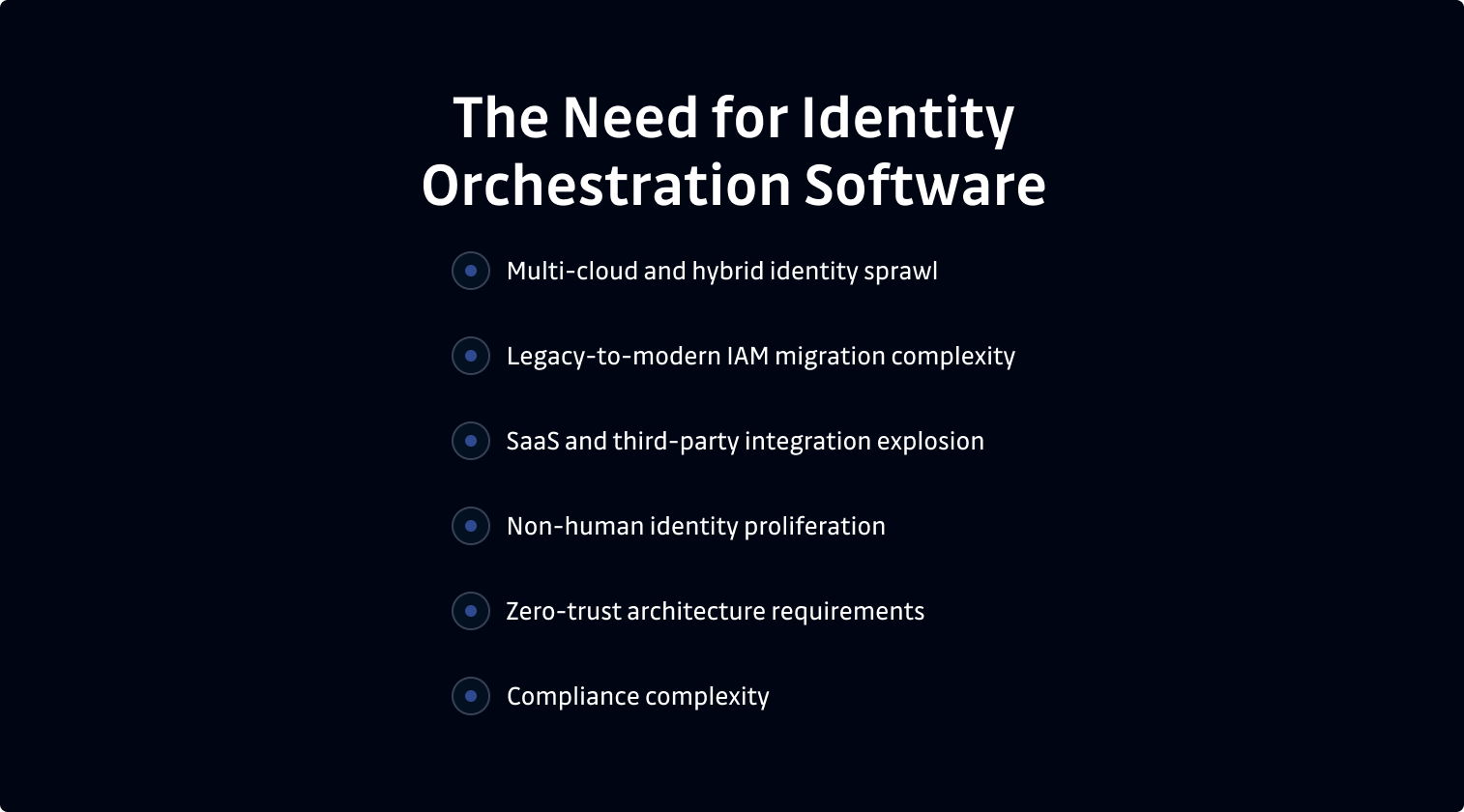
The central management safeguards user data and simplifies the process of sticking to privacy and security guidelines. IT leaders benefit from a system that minimizes manual errors and delivers actionable insights, making it much easier to fulfill regulative requirements and preserve functional performance. Role-Based Access Control (RBAC) simplifies consent management by designating functions to users, ensuring a clear framework for access controls across all applications.
A Complete Guide to Captcha Automation Basics
IT leaders praise this method for its capability to decrease mistakes and support steady access governance in complicated environments. Multi-Factor Authentication (MFA) plays a vital role in automated identity systems by supplying an additional layer of security. It ensures that IT and security specialists can manage gain access to with additional checks, reducing the risk of unauthorized entries while streamlining security procedures.