How Automated Captcha Tools Enhance ROI
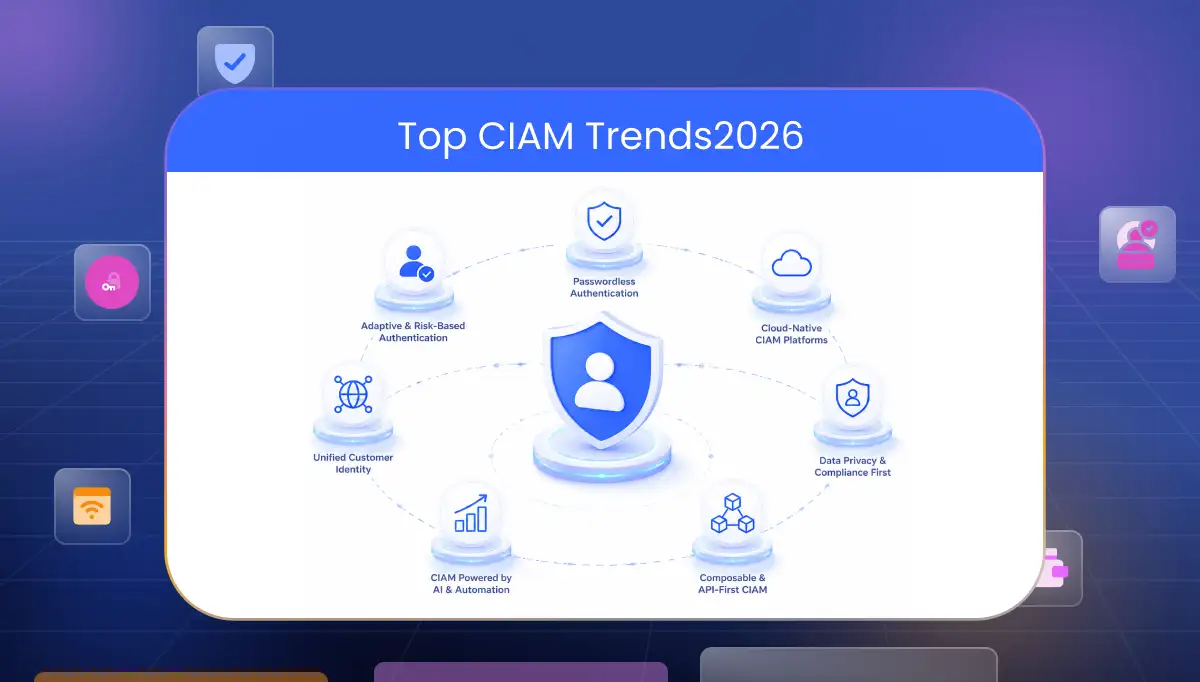
This system streamlines the management of user functions, making it easier to scale processes along with organizational development. IT experts observe that such precision in tracking identity modifications not just boosts security however likewise decreases the burden on administrative teams, leading to more effective operations. Automated identity and gain access to management uses transformative potentialbut getting there isn't without its obstacles.
Some of the typical challenges in implementing automated IAM include: Addressing Abilities GapsEnsuring Organizational ReadinessIntegration ComplexityManaging False PositivesEnsuring Data Privacy and Ethical UseEach of these barriers provides an opportunity for IT and security leaders to future-proof their identity technique, minimize threat, and develop automation that really worksfor both the service and the individuals who run it.

Organizations typically deal with lining up current team capabilities with the technological demands of consistent and safe and secure identity management. To solve this, business can purchase training and accreditation programs that concentrate on precise identity administration methods to close the knowledge space: Structured learning sessions on rule-based processesHands-on workshops for merged identity lifecycle managementCollaboration with market professionals for continuous ability enhancementThis technique assists groups construct the required know-how to support smooth shifts to automated systems while enhancing total functional performance.
IT and security leaders examine present practices and establish training programs for combined identity cycle management to align with contemporary operational demands. Ensuring preparedness involves assessing team skills, enhancing integration, and setting clear responsibility for identity governance: Action Team Training Provide targeted workshops Stronger ability Process Combination Standardize workflows Improved functional performance Responsibility Assign clear roles Efficient identity oversight Combination intricacy often emerges when companies try to combine automatic identity platforms with existing IT infrastructures.

The difficulties reach adjusting present procedures to a unified approach, as incompatible systems require extra mapping and setup. Smoother combination is attainable through careful planning and partnership among IT professionals, guaranteeing the new service suits the existing structure with minimal interruptions. Automated identity systems sometimes set off inaccurate notifications, puzzling legitimate requests with dangers, which impacts operational workflow for IT and security groups; groups use rule-based processes for more exact identity management to minimize these occurrences and improve total system reliability: Conventional Approach Error Detection Manual evaluation required Rule-based triggers Action Time Postponed action Immediate notifies Precision Irregular outcomes Improved accuracy IT professionals keep in mind that minimizing incorrect positives enhances system clearness and supplies fast, targeted adjustments; preserving structured security controls makes it simpler to keep operations secure and responsive to the evolving identity management needs of the organization.
Deploying Virtual Infrastructure Leasing
IT experts gain from automated identity systems that thoroughly keep track of information circulation and promote ethical practices during access management. Organizations rely on automated identity platforms that make sure accountable handling of user info while fulfilling ethical requirements. IT leaders see practical worth in using rule-based controls that keep data secure and transparent throughout the lifecycle of access approvals.
With today's expanding hazard surface area and tightening up guidelines, companies require identity and access management solutions that can maintain oversight without producing operational drag. Automation delivers that balance, using real-time control, constant recognition, and airtight reporting. Automated audit tracks supply IT and security leaders with a clear record of gain access to changes, making sure every upgrade in the identity lifecycle is tracked properly.
By counting on automatic audit tracks, groups acquire valuable insights into gain access to patterns and safe and secure practices, minimizing the danger of unapproved modifications. This technique enhances the evaluation procedure for security compliance, making it easier for organizations to fulfill market requirements and address functional concerns. Automated identity platforms use a structured technique to regulative compliance by guaranteeing that access controls and user consents are integrated with standards like GDPR, HIPAA, and SOX.
The central management safeguards user information and simplifies the procedure of adhering to privacy and security policies. IT leaders benefit from a system that lessens manual mistakes and delivers actionable insights, making it easier to satisfy regulatory requirements and preserve functional efficiency. Role-Based Gain Access To Control (RBAC) simplifies approval management by appointing functions to users, guaranteeing a clear structure for gain access to controls across all applications.
Benefits of Dedicated Servers for SEO
IT leaders praise this method for its ability to reduce mistakes and support stable access governance in complex environments. Multi-Factor Authentication (MFA) plays an important role in automated identity systems by providing an additional layer of security. It guarantees that IT and security professionals can handle access with extra checks, minimizing the danger of unauthorized entries while streamlining security procedures.