Mastering Cyber Defense Foundations
They keep track of and assess inbound and outbound traffic based upon predefined security guidelines, enabling legitimate communication while blocking suspicious or unauthorized gain access to efforts. Modern firewall programs surpass fundamental filtering by offering deep packet inspection, application awareness, and intrusion prevention abilities, making them a vital aspect of network security. Antivirus and anti-malware options protect networks and connected systems from hazardous software such as viruses, worms, trojans, ransomware, and spyware.
Regular updates make sure defense versus recently discovered malware and progressing attack strategies. Virtual private networks (VPNs) supply protected and encrypted communication channels over public or untrusted networks. They are extensively used to secure remote access connections, making sure that sensitive data transferred in between users and network resources remains confidential. By securing traffic and masking IP (Web Protocol) addresses, VPNs assist prevent eavesdropping, information interception, and unapproved gain access to.
NAC systems assess user credentials, device identity, and security posture before approving access, guaranteeing that only compliant and authorized gadgets link to the network. This helps reduce risks from unmanaged devices, jeopardized systems, and insider dangers. An invasion detection and avoidance system (IDPS) continuously monitors network traffic to determine suspicious patterns, abnormal behavior, and recognized attack signatures.
By combining detection and prevention abilities, IDPS boosts visibility into network activity and supports proactive risk management. With key services covered, let's focus on the benefits of network security. Network security offers several benefits, including:: Helps avoid unauthorized access, malware, and other attacks that can compromise systems and information.
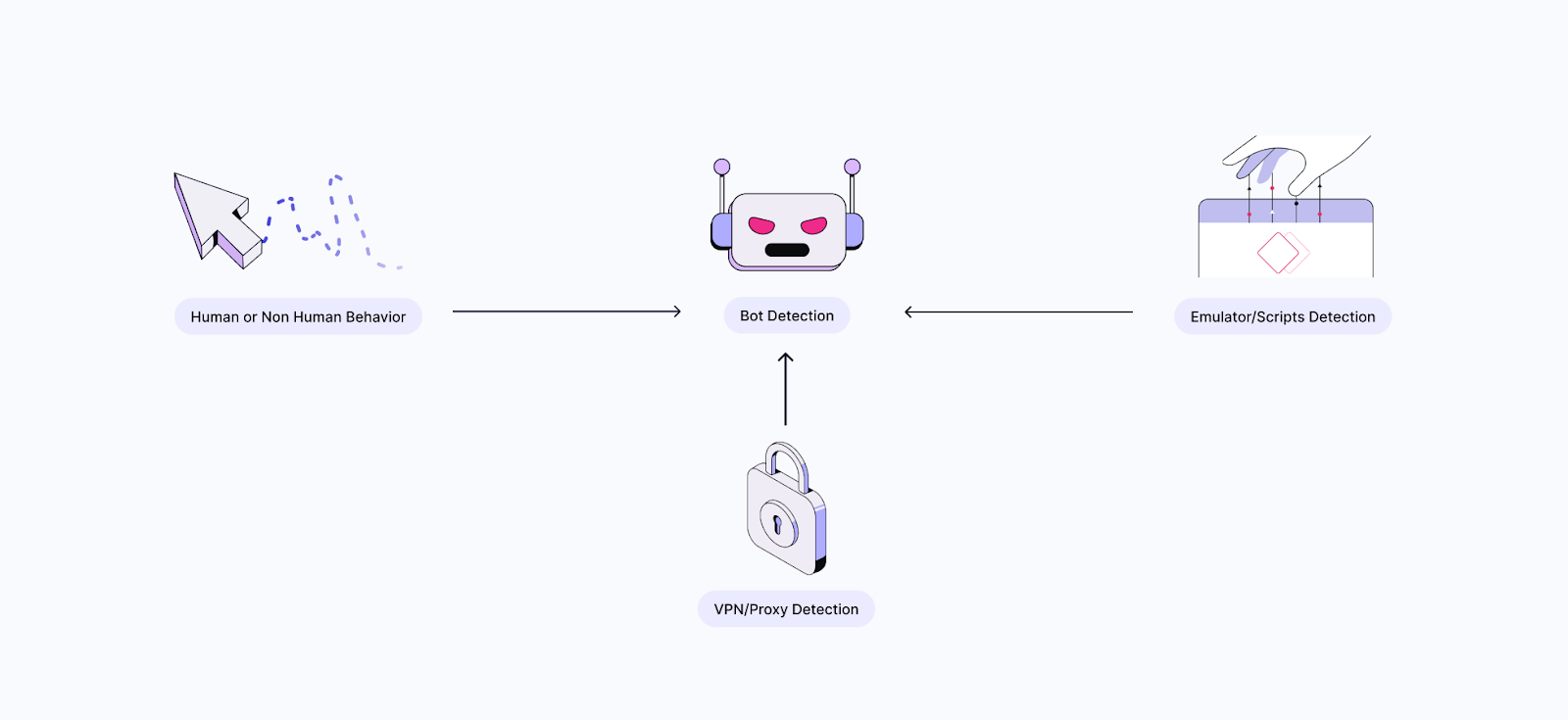
Why Residential Proxies Enhance Bot Results
: Lowers downtime by avoiding attacks that can disrupt network services and operations.: Assists organizations fulfill legal, industry, and regulatory security requirements. Finally, let's go through a few of the very best practices for carrying out network security effectively. Apply these best practices to ensure robust and trusted network security:: Enforce intricate passwords, multi-factor authentication (MFA), and routine credential updates.
: Protect information in transit and at rest using strong encryption protocols.: Discover uncommon behavior early through continuous monitoring and log analysis. In this guide, we had a comprehensive discussion on network security fundamentals, covering what it is, its core principles, and how it works. We took a look at typical network security dangers and key solutions for mitigating them.
The 3 pillars of network security are:: Protects sensitive data by limiting access solely to authorized users and avoiding any unauthorized disclosure.: Maintains the accuracy and stability of data by preventing unapproved adjustment or alteration.: Ensures that systems, networks, and data remain available to authorized users when needed.
Understanding Network Security Foundations
Network security basics refers to the policies, tools, and practices that keep computer system networks and the data moving through them safe from unapproved access, misuse, or interruption. It is not one single item but a layered technique combining innovation, procedure, and people. For beginners, comprehending the core pillars, common risks, and everyday controls turns an intimidating subject into something manageable and actionable.
Integrity protecting information from being modified or corrupted by unapproved parties. Schedule keeping systems and data accessible to legitimate users when needed. These 3 objectives, frequently called the CIA triad, guide options about which manages to release and how to focus on restricted resources. Networks deal with a vast array of risk vectors, a number of which make use of human behavior or weak configurations: Malware harmful software such as infections, worms, ransomware, and spyware that infiltrates endpoints or servers.
Man-in-the-middle (MitM) attacks interception of interactions in between 2 parties, frequently on unsecured networks. Denial-of-service (DoS) and dispersed DoS (DDoS) flooding a system with traffic to make it unavailable. Unpatched vulnerabilities understood software application defects that assaulters make use of before updates are used. Implementing network security basics implies deploying a set of overlapping controls that interact to lower risk.
Next-generation firewall programs go further by integrating deep package inspection and application awareness. Encryption scrambles information so only authorized parties can read it. Protocols like TLS safeguard data in transit, while disk and database file encryption safeguard data at rest. Strong gain access to control restricts what users and devices can do once they are inside the network.
The three pillars of network security are:: Safeguards sensitive information by limiting access specifically to licensed users and avoiding any unauthorized disclosure.: Keeps the precision and integrity of data by avoiding unauthorized modification or alteration.: Guarantees that systems, networks, and information stay accessible to authorized users when needed.
XEvil 6 Beta standaloneAdvanced OCR Systems for Identity Processing
Network security basics describes the policies, tools, and habits that keep computer system networks and the information moving through them safe from unauthorized gain access to, misuse, or interruption. It is not one single product however a layered method integrating technology, process, and people. For novices, comprehending the core pillars, common dangers, and daily controls turns a challenging subject into something workable and actionable.
Integrity securing details from being modified or damaged by unapproved celebrations. Availability keeping systems and information available to genuine users when needed.
Man-in-the-middle (MitM) attacks interception of communications between two celebrations, often on unsecured networks. Denial-of-service (DoS) and dispersed DoS (DDoS) flooding a system with traffic to make it unavailable. Unpatched vulnerabilities understood software application flaws that opponents make use of before updates are applied. Executing network security fundamentals implies deploying a set of overlapping controls that collaborate to decrease danger.
File encryption scrambles information so only authorized celebrations can read it. Protocols like TLS protect information in transit, while disk and database file encryption safeguard information at rest.