Methods to Expand Network Infrastructure for Automation

Most scrapers get obstructed at layers 3-4, not 5-7. fixing one layer while neglecting others won't work these catch 55% of bots before JS even runs however they're set off by unnoticeable signals mouse movement and timing matter more each year usage bot detection sites to audit your setup even ideal stealth can't avoid all obstacles For handling the CAPTCHA layer when it triggers, have a look at passxapi-python it provides a unified API for reCAPTCHA, hCaptcha, Turnstile, and FunCaptcha, so you can concentrate on the other layers.
In this tutorial, you will discover the following: What Cloudflare is. Top-level methods to bypass Cloudflare. How to bypass the Cloudflare human check in Python.
It uses a thorough suite of services designed to make sites faster and more safe., caching website material on a worldwide network to improve load times and reduce latency.
The Role of Identity Management Impacts Network Access
By incorporating with Cloudflare's network, sites can rapidly get improved security and optimized performance. This has actually made Cloudflare the go-to solution for countless sites worldwide. One of the reasons that Cloudflare is so popular is its WAF (Web Application Firewall). This can be allowed on any web page served through its international network.
It checks and filters inbound requests in genuine time to stop attacks or unwanted traffic before they reach your servers or access your web pages. As part of its multilayered defense method, the Cloudflare WAF utilizes proprietary algorithms to discover and obstruct destructive bots.
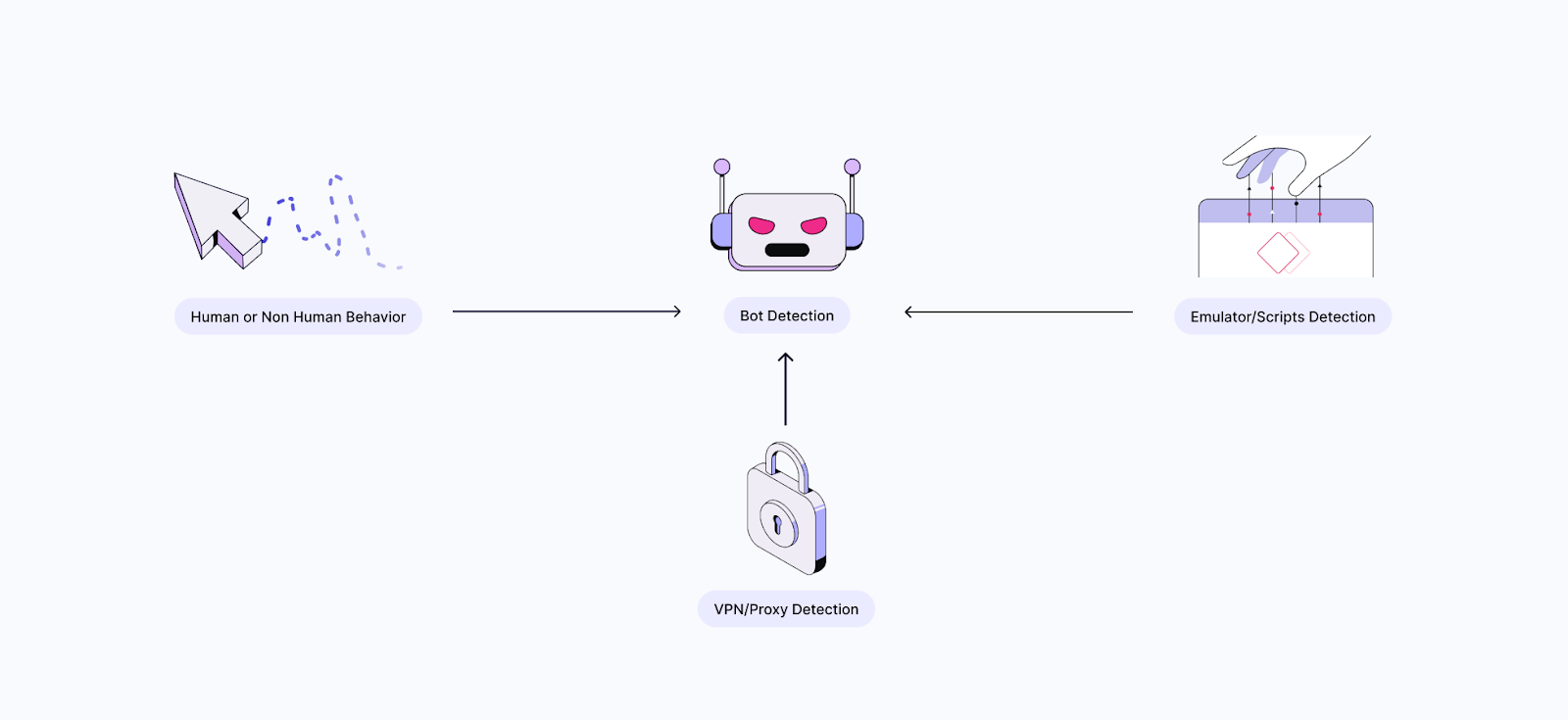
It looks at information like the cipher suites provided, the order of settlement, and other low-level traits. Bots typically reuse default or suspicious setups that vary from those utilized by genuine internet browsers.
This consists of the specific internet browser version, running system, installed typefaces or extensions, and even subtle hardware qualities. These information points form a finger print that assists distinguish real users from automated scripts.: Among the greatest indicators of automated traffic is abnormal behavior. Cloudflare displays patterns like fast requests, absence of mouse motions, similar click courses, idle times, and more.
The Role of Identity Automation Affects Network Security
Cloudflare normally supplies two modes of human confirmation: Always reveal the human verification challenge Automated human confirmation difficulty (only when suspicious activity is detected) Check out both choices listed below! The concept is to constantly need human confirmation on the first access to a site.
Attempt visiting it in incognito mode (to make sure a fresh session without any cookies), and you will see a CAPTCHA called Cloudflare Gate, even if you are a real human user:: By the time you read this article, StackOverflow's bot protection might have altered or be working differently. In this case, if you are constructing an automated script, the only alternative is to automate the Turnstile CAPTCHA interaction in a human-like method.
XRumerIn this mode, Cloudflare just issues a challenge if it thinks a request may be from a bot., which runs invisibly in the browser to confirm that the client acts like a genuine user: This procedure is seamless and normally finishes immediately if you are a human utilizing a regular web browser.
Since this causes minimal disruption for routine users, it is by far the most common Cloudflare mode. If the JavaScript difficulty stops working (meaning Cloudflare concludes the customer is likely to be a bot), it will intensify to showing a Gate CAPTCHA for human confirmation: Now, you are back to what you saw in the previous situation.
This page is safeguarded by the Cloudflare WAF, so the automated JavaScript-based confirmation procedure will right away start. In the background, a series of POST demands are exchanged with Cloudflare's endpoints, sending encrypted data within their payloads: The precise contents of these payloads are not openly recorded.