Optimizing Enterprise Automation Infrastructure
Automated identity confirmation brings speed and accuracy to modern access control by utilizing AI and artificial intelligence to verify identities and area scams in genuine time. As companies juggle security needs with user expectations, automated identity has ended up being a vital assetreducing manual actions, enhancing precision, and raising trust at scale.
Automated identity confirmation uses rule-based steps to rapidly verify a user's identity while decreasing manual checks. This process supports safe gain access to control and improves general identity lifecycle management by providing clear updates and decreasing the burden on IT and security professionals. The system applies smart algorithms to constantly review user approvals and ensure only licensed people get access.
update XEvil V5Company stakeholders take advantage of automated identity verification as it streamlines access control and lessens manual reviews. IT and security teams see enhanced performance and reliability, guaranteeing that both functional expenses and time delays are significantly reduced in handling user consents. Customers see faster and smoother onboarding procedures, which develops trust and improves their total interaction with the system.

Scaling Massive Network Infrastructure
Synthetic intelligence and device learning streamline the verification procedure by examining user habits and access patterns with accurate rule-based algorithms. This technique improves security and operational effectiveness by making sure that just validated users are granted entry to necessary applications. These technologies support real-time tracking and correction, decreasing manual interventions and lessening errors in identity verification.
Automated identity systems utilize accurate algorithms to find unusual patterns that signify identity scams, helping IT and security experts identify risks rapidly. This approach keeps an eye on access changes and permission updates constantly to determine and resolve possible deceitful activities. Rule-based checks support consistent scrutiny of user habits while minimizing investigative delays.
The modern-day identity confirmation process counts on precise preparation and clear treatments to ensure effective execution. IT and security specialists follow particular techniques that include rule-based workflows and useful training, making sure that each upgrade is tracked accurately while decreasing manual interventions. The technique supports an orderly environment where gain access to modifications are managed efficiently, aligning with the requirements of today's identity and access management systems.
Professionals recommend scheduling regular evaluations to maintain system precision and address potential challenges, guaranteeing very little disruptions throughout transitions. This systematic procedure not just improves update speed but likewise minimizes threats, making it easier for IT and security leaders to manage automatic identity processes efficiently. Automated identity management changes how organizations manage user access by changing manual procedures with policy-driven workflows.
Utilizing OCR APIs for Data Automation
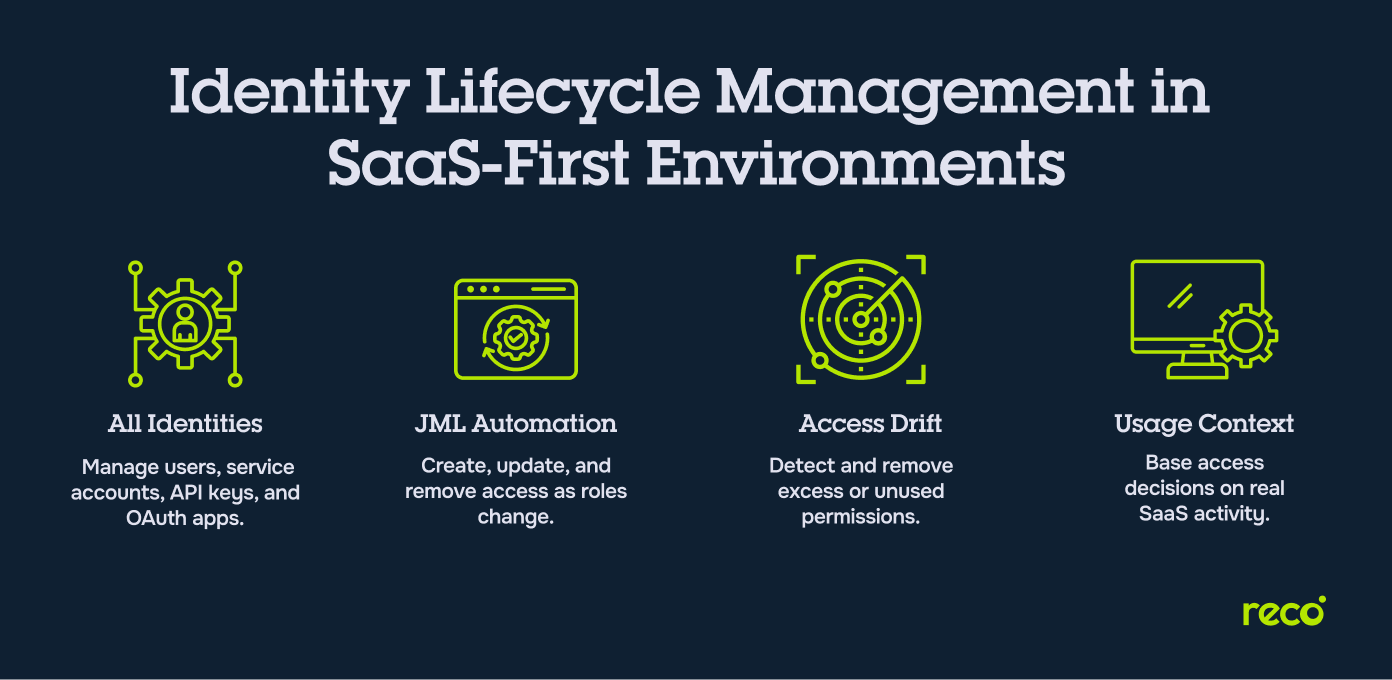
Here are some best practices that assist companies get the most out of identity automation: Automating User Provisioning and De-ProvisioningEnhancing Security and Policy EnforcementManaging Compliance and Audit Preparedness The automated process streamlines user provisioning and removal, making sure that gain access to is handled smoothly and accurately. IT and security leaders see enhanced system reliability and faster user transitions, lowering bottlenecks brought on by manual handling: Clear function assignmentsConsistent permission updatesRapid cancellation and onboardingThis rule-based workflow addresses typical pain points in staff member lifecycle management by cutting administrative hold-ups and lowering mistakes.
Automated identity systems improve security by using strict guidelines that handle user access in a constant method. IT and security leaders observe that clear, automatic policy enforcement lessens prospective spaces, making it simpler to control who accesses essential applications. This technique straight attends to concerns over identity tiredness and assists maintain a protected operational environment.
IT specialists benefit from a structured procedure that provides quick updates and reliable oversight, guaranteeing accurate access controls. This method supports a safe and secure infrastructure while decreasing the possibility of errors and functional delays. Automated identity systems enhance the procedure of guaranteeing compliance and audit readiness by keeping clear, constant records that support regulatory needs.
The centralized approach of identity automation helps organizations remain gotten ready for audits with minimal manual intervention. IT and security specialists acquire self-confidence in their system's reliability as it provides real-time updates and precise reports, ultimately easing the concern of compliance management. Automated identity management is no longer a luxuryit's a necessity for contemporary organizations browsing complicated access environments.
From onboarding to deprovisioning, automation minimizes human error, accelerates response times, and ensures compliance through audit-ready tracking and rule-based governance. However as the identity landscape grows to include not just human users, however likewise non-human identities, SaaS sprawl, and increasingly decentralized systems, standard tools fail. Lumos is constructed for this brand-new truth.
Utilizing AI Services for Data Management
It delivers total gain access to visibility throughout all systemsSaaS, cloud, and on-premand uses AI to constantly analyze and adapt gain access to policies to preserve least opportunity at scale. With Lumos, organizations can automate provisioning and deprovisioning, implement time-based and just-in-time access, and get rid of extreme or inactive permissionswithout the manual problem. Security teams remain ahead of risk.