Relative Efficiency Benchmarks for Modern OCR Software Engines

Enhancing Virtualized Environments for Automation in the current market
Handling high-volume automation tools like Xrumer in 2026 requires a departure from traditional hosting setups. As search engine algorithms and online forum security measures have actually ended up being more advanced, the facilities supporting these tools need to adapt. A standard Virtual Private Server (VPS) often falls brief when charged with countless concurrent threads and high-speed network demands. Scaling for these work involves a deep look at hardware allowance, network throughput, and the specific software application setup of the host machine.The hardware baseline for 2026 has shifted considerably. In previous years, a quad-core processor with 8GB of RAM may have sufficed for moderate jobs. Now, the sheer volume of information processed by modern automation scripts requires much more. For those running in high-growth regions, the move towards high-core-count processors is non-negotiable. CPU clock speed stays important for individual thread processing, but the variety of physical and virtual cores identifies the number of simultaneous connections the software can keep without crashing the operating system or triggering substantial lag.
Hardware Requirements for Huge Workloads in global tech centers
When picking a VPS service provider, the focus should be on dedicated resources. Shared environments are frequently oversold, causing "loud next-door neighbor" issues where other users on the very same physical server drain the CPU cycles needed for intensive automation. In 2026, processors utilizing Zen 6 architecture or the most current Intel equivalents provide the direction sets required to handle encrypted traffic at scale. Using a VPS that uses a minimum of 16 to 32 dedicated threads is the beginning point for anyone serious about high-output operations.Memory speed is another typically neglected element. With the adoption of DDR5-8400+ as a requirement, the bandwidth between the CPU and RAM has increased. Xrumer relies heavily on caching and temporary information storage. Reliance on Asia Virtual Solutions XEvil has shifted the method designers approach script effectiveness, typically requiring more RAM to shop database lookups instead of striking the disk. A minimum of 64GB of RAM is suggested for those running several instances of automation software all at once. This avoids the system from resorting to page filing, which can decrease operations to a crawl.
Storage Speed and IOPS Efficiency
Storage innovation has actually advanced to PCIe Gen 6 and Gen 7 NVMe drives. For automation, raw sequential read/write speeds are less vital than IOPS (Input/Output Operations Per Second) Xrumer generates an enormous quantity of little log files, momentary database entries, and link lists. A traditional SSD or an older NVMe drive will rapidly become a traffic jam throughout peak operation hours.Administrators ought to try to find storage options that supply high continual IOPS. When the software attempts to compose thousands of log entries per second, the storage controller need to keep up. Failure to do so leads to "system hangs" where the software waits on the disk to finish its operations before continuing with the next network demand. This delay, even if it is only a couple of milliseconds, aggregates over countless threads and can reduce general productivity by more than half.
Network Facilities and Latency Management
The backbone of any successful automation setup is the network. In 2026, 1Gbps ports are considered the bare minimum, with numerous professionals approaching 10Gbps unmetered connections. The volume of data sent and gotten by Xrumer is not necessarily massive in regards to overall gigabytes, but the number of specific packets is huge. Every forum post, registration attempt, and link check requires a handshake and information exchange.Latency is the primary enemy. A VPS located in an information center with poor peering will struggle with high ping times to target sites. This hold-up triggers threads to time out, leading to stopped working submissions. Choosing a service provider with a diverse series of Tier-1 providers guarantees that traffic takes the most direct course possible. For those targeting particular demographics, choosing a server physically near the target audience remains a valid strategy to shave off precious milliseconds.
Advanced TCP/IP Tuning for Windows Server
Many automation users prefer Windows-based environments due to software application compatibility. However, the default Windows network stack is not tuned for the thousands of synchronised connections required by Xrumer. Changing the pc registry is a common practice to prevent the OS from running out of readily available ports.The MaxUserPort setting should be increased to its optimum value, and the TcpTimedWaitDelay ought to be lowered. These changes enable the operating system to recycle closed connections much faster, maximizing resources for new demands. Without these tweaks, a high-thread-count operation will eventually tire the ephemeral port swimming pool, causing the software application to report network errors in spite of the internet connection being active.
Software Application Integration and External Dependencies
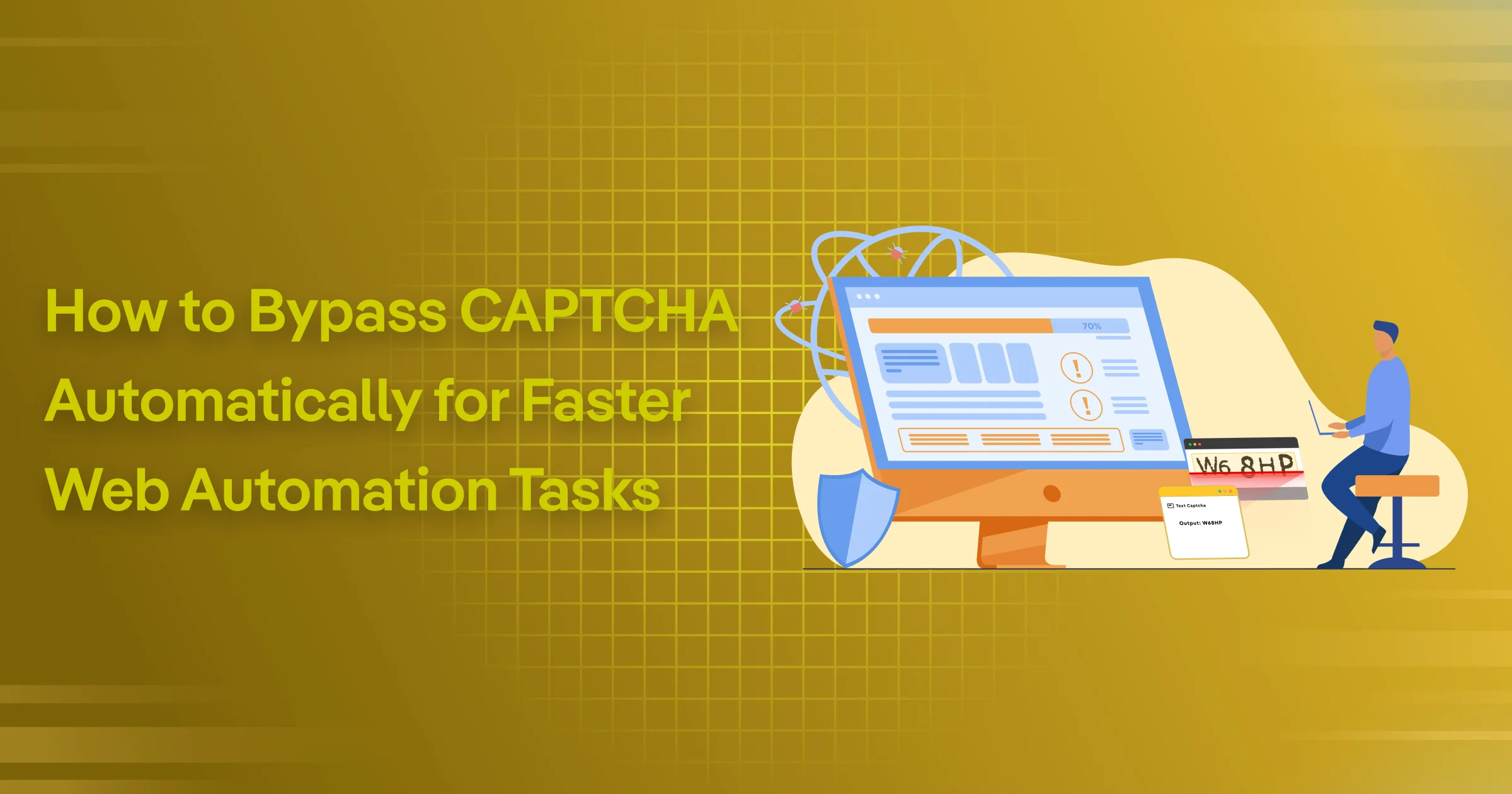
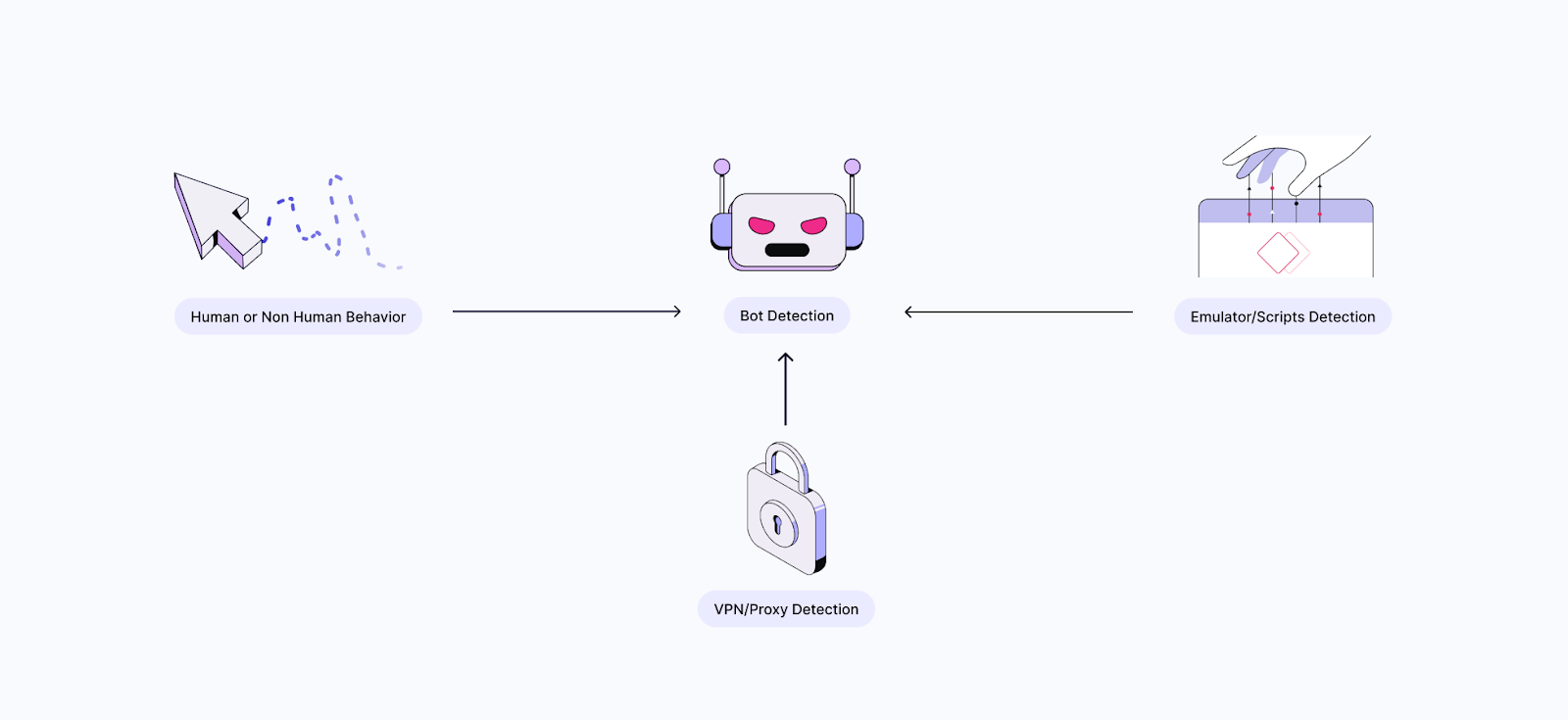
No automation tool operates in a vacuum. The success of a campaign typically depends on how well the VPS communicates with external services. In 2026, the complexity of bot detection has actually made making use of high-quality proxies and captcha-solving services obligatory. Organizations that focus on Asia Virtual Solutions XEvil normally see a substantial reduction in server overhead by contracting out these heavy processing tasks to specialized external providers.Proxies need to be integrated carefully. Using SOCKS5 proxies instead of standard HTTP proxies can offer better efficiency and support for more protocols. The VPS needs to have sufficient processing power to deal with the encryption overhead of these proxy tunnels. If the server is already having a hard time at 90 percent CPU use, including a layer of encrypted proxy traffic will likely push it over the edge, resulting in dropped packages and software instability.
The Role of Virtualization Layers
The type of virtualization used by the hosting provider affects how Xrumer connects with the hardware. KVM (Kernel-based Virtual Machine) is normally preferred over technologies like OpenVZ because it supplies a more separated environment with its own kernel. This isolation permits for deeper OS-level optimizations that are not possible in a shared-kernel environment. CPU pinning is another sophisticated strategy utilized in 2026. This procedure includes appointing specific physical CPU cores to a virtual maker, ensuring that the automation software always has access to the very same processing systems. This decreases the latency triggered by the hypervisor moving tasks in between different physical cores, offering a more consistent efficiency profile for long-running projects.
Scaling for Future Demands in the industry
Scaling an operation frequently indicates moving from a single powerful VPS to a cluster of smaller sized ones. This dispersed approach offers redundancy and permits better management of IP credibility. If one server's IP address ends up being flagged, the others can continue to operate without disturbance. This strategy likewise helps circumvent rate limitations imposed by sites that keep track of traffic patterns from particular data center ranges.Managing a fleet of servers needs centralized control. Numerous users in the tech community now utilize customized control panels or management software to sync configurations across numerous VPS instances. This ensures that every node in the network is running the same optimized settings, from registry tweaks to blocklists. Automation in 2026 is as much about facilities management as it is about the software application itself.
Monitoring and Long-Term Stability
Sustaining high efficiency over weeks or months requires active monitoring. Tools that track CPU temperature level, RAM usage, and network dropped packages provide early indication of hardware fatigue or network blockage. In a virtualized environment, "steal time" is a vital metric to see. High steal time indicates that the physical host is overwhelmed and is not providing the VPS with its fair share of CPU cycles.Regular upkeep of the Windows environment is also necessary. Momentary files, log bloat, and computer registry fragmentation can slowly break down efficiency. Establishing automated scripts to clean out temp folders and restart the software application regularly can avoid the gradual downturn that often plagues long-lasting automation jobs. The focus in 2026 has actually moved from simply running a tool to orchestrating an intricate network of software and hardware resources. The most successful operators are those who treat their VPS as a high-performance machine that needs consistent tuning and high-quality components. By concentrating on dedicated hardware, high-speed networking, and precise OS adjustments, it is possible to attain a level of automation throughput that was previously reserved for pricey dedicated server arrays. The space between a standard setup and an enhanced one is measured in the success rate of every thread, the durability of the server hardware, and the total performance of the campaign.