Reviewing Enterprise-Grade Virtual Server Options
Protecting cyber-physical systems (CPS) ends up being mission vital. Companies will shift from reactive reaction to preemptive defenseusing AI, self-governing agents, and predictive analytics to recognize and reduce the effects of hazards before they materialize. Real-time behavioral monitoring Predictive threat scoring Constant automatic action AI-orchestrated SecOps platforms As deepfakes, AI-generated content, and manipulated information increase, trust ends up being a core business asset.
Organizations will be anticipated to show the stability of their data, code, and AI-generated outputs. Security platforms purpose-built for the AI eracombining continuous learning, autonomous detection, AI-native action, and real-time visibilitywill become fundamental facilities. Self-governing SOC assistants AI-driven event action tools Continuous attack surface area management (ASMs) AI-powered danger detection engines This is where cybersecurity combines into unified, AI-native SecOps ecosystems.
The 2026 landscape requires a different kind of security strategyone rooted in AI-native technology, automation, predictive intelligence, and resistant digital trust structures. ... these and comparable advancements developed brand-new threats for companies like yours in 2025. In doing so, they moved the discussion around your cybersecurity and compliance top priorities going forward.
Where do you focus your efforts? To put next year into context, we spoke to seven specialists at the Center for Web Security (CIS) about their 2026 cybersecurity predictions.
Dangers and dangers facing these companies continue to grow and become more sophisticated. This will begin with quantum-safe algorithms, and we will continue to see if the innovation ends up being commercialized.
In 2026,, such as least fortunate access policies, reducing attack vectors, and vulnerability and spot management. Enemies are utilizing AI to shorten the time from the publication of a security publication to an attack in the wild considerably. Research has revealed the ability to reverse engineer supplier security upgrade notices into exploitable code within hours.
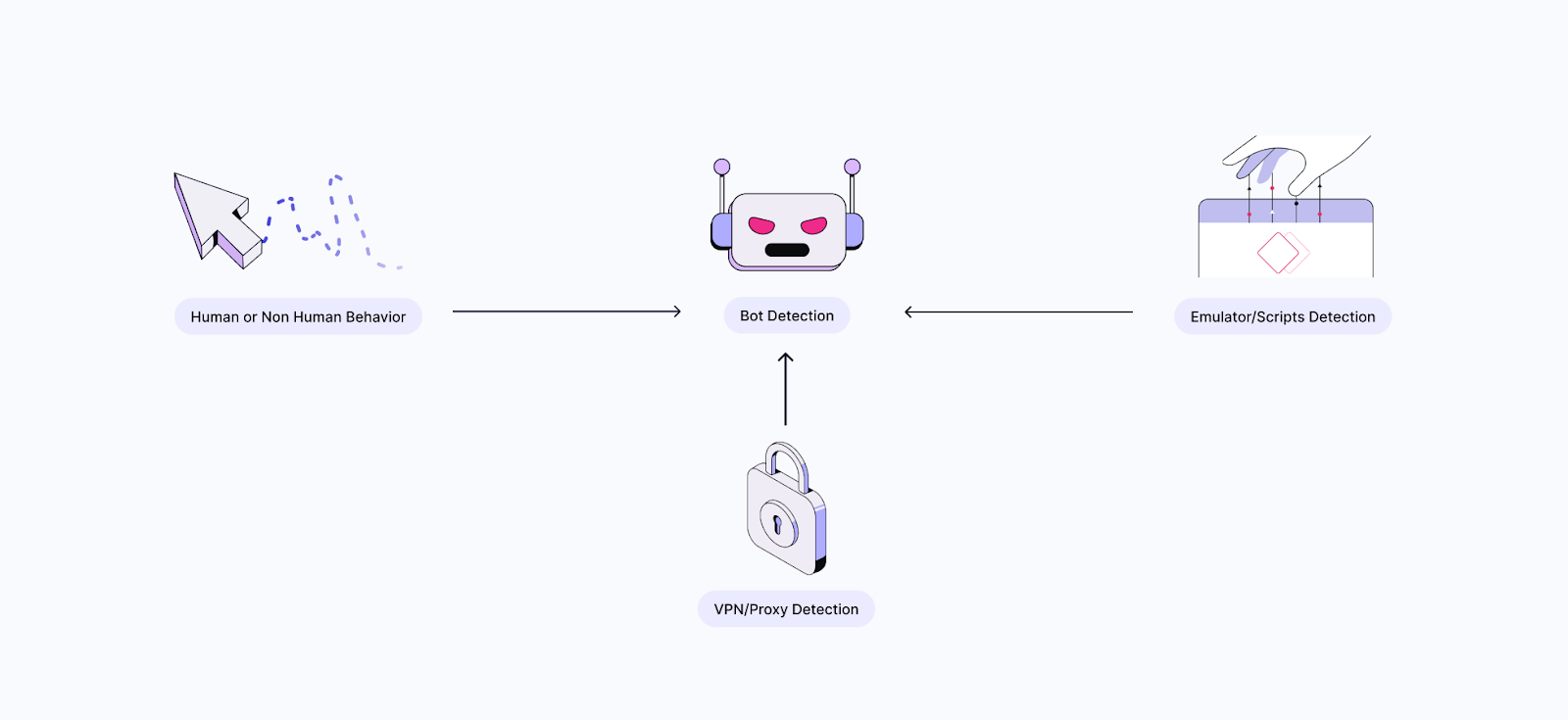
proxies for XEvilHow Bot Detection Is Evolving in 2026
Security upgrade processes should develop from scheduled patching windows to a CI/CD approach for greater intensity vulnerabilities. In 2026, AI will shift from experimental deployments to fully operationalized elements within Security Operations Centers (SOCs). AI will no longer be restricted to anomaly detection or log analysis; rather, it will be embedded throughout the whole event lifecycle from hazard identification and prioritization to automated containment and removal.
For those who advocate for scalable and mission-aligned cybersecurity services, this marks a turning point. AI will make it possible for service providers to provide Cybersecurity as a Service with higher accuracy, speed, and cost-efficiency. It will likewise support police by automating the correlation of risk star behaviors and accelerating proof collection.
In 2026, the cybersecurity landscape will require more specialized platforms that make it possible for real-time, actionable risk intelligence sharing between cybersecurity groups and law enforcement firms. These platforms will go beyond traditional Information Sharing and Analysis Center (ISAC) designs, integrating forensic information, behavioral analytics, and legal workflows to support investigations, prosecutions, and collaborated reaction efforts.
Best Practices for Automated Systems in 2026
SLTT agencies and law enforcement will require tools that not just find threats however likewise equate technical signs into investigative leads. These platforms will likely include functions such as: Chain-of-custody tracking for digital proof Automated connection of threat star tactics, techniques, and procedures (TTPs) with recognized criminal profiles Safe and secure channels for cross-jurisdictional cooperation Integration with national and global watchlists Starting in 2026, no trust architecture (ZTA) will shift from a finest practice to a regulative requirement for public sector organizations.
XEvil proxiesSLTTs through compliance frameworks, procurement requirements, and cybersecurity grant conditions. The shift will be driven by the need to decrease systemic threat, particularly in environments where legacy infrastructure and decentralized access designs have actually left companies susceptible to lateral motion and identity-based attacks. The challenge will be guaranteeing that absolutely no trust doesn't end up being a check-the-box workout and that adoption of absolutely no trust profits in a method that's useful, scalable, and aligned with their company's functional truths.
Cyber hazard stars (CTAs) are increasingly creating payloads that can perform across Windows, Linux, and even macOS, decreasing the requirement for separate codebases and increasing their reach. We'll likely see more unified frameworks capable of compromising combined environments with a single campaign.
We're seeing glances of automation already, such as credential theft, worm-like proliferation, and automated payload shipment. While effective and effective, neither of these threats nor any other current malware are totally self-governing.
Why Security Logic Must Adapt in 2026
That advancement might considerably shorten the time in between initial gain access to and full compromise. CTAs will experiment with generative AI (GenAI) and code-assist tools to accelerate malware advancement, improve obfuscation, or develop polymorphic variants on demand. We'll likely see limited case-by-case examples of this instead of widespread adoption in 2026, as advances in advancement will still disappoint constant functional use.
GenAI has likewise end up being the fantastic equalizer for many cybercriminals. What secondhand to take specialty abilities and hours of intense effort can now be dealt with in a matter of minutes leveraging tools anybody can access. From automating analysis of stolen information to profiling targets to developing false identities to leveraging GenAI's capacity for natural language, cybercrime has actually ended up being more accessible to a larger audience of potential danger actors than ever in the past, and we're likely to see increased use of GenAI for Crimeware as a Service.
Instead of counting on easily flagged IPs or domains that develop traffic jams for detection, foes are turning to reliable platforms such as content shipment networks and SaaS service providers to host credential gathering pages and other malicious content. Phony login pages hosted on genuine domains may be taken down quickly, so enemies are seeking chances to simply spin up brand-new subdomains at speed and scale to preserve perseverance.
We have actually seen a clear shift in how adversaries think of impact. They're no longer content with hitting one company at a time. Instead, they're targeting the connective tissue of our digital community: software application providers, managed company, and other single points of failure. These kinds of security occurrences underscore how a single compromise can cascade throughout sectors and have international impact for hours and even days.