Scaling Global Network Infrastructure
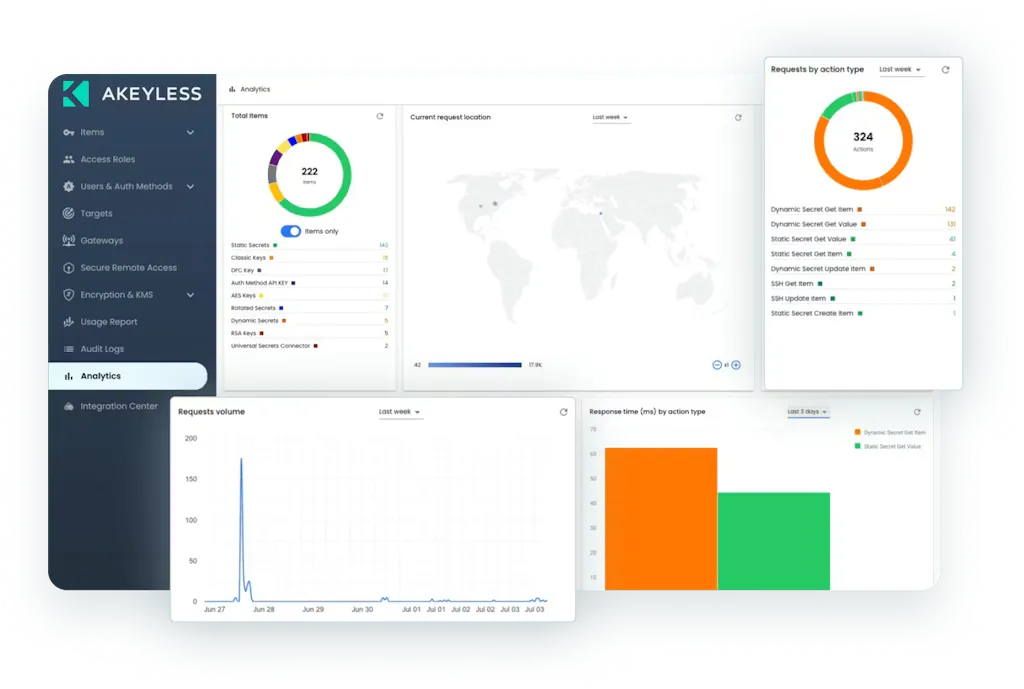
This system simplifies the management of user roles, making it much easier to scale processes together with organizational development. IT specialists observe that such precision in tracking identity changes not only bolsters security but likewise minimizes the concern on administrative teams, leading to more efficient operations. Automated identity and access management offers transformative potentialbut getting there isn't without its difficulties.
A few of the common difficulties in executing automated IAM include: Dealing with Abilities GapsEnsuring Organizational ReadinessIntegration ComplexityManaging False PositivesEnsuring Data Privacy and Ethical UseEach of these obstacles provides a chance for IT and security leaders to future-proof their identity technique, reduce danger, and build automation that really worksfor both business and individuals who run it.
XEvil V5
Organizations often battle with aligning present team abilities with the technological demands of constant and safe and secure identity management. To fix this, business can buy training and certification programs that focus on precise identity administration methods to close the knowledge space: Structured discovering sessions on rule-based processesHands-on workshops for merged identity lifecycle managementCollaboration with industry professionals for constant ability enhancementThis approach assists groups construct the needed expertise to support smooth shifts to automated systems while improving overall functional performance.
IT and security leaders evaluate existing practices and establish training programs for unified identity cycle management to line up with modern operational demands. Ensuring preparedness involves evaluating group abilities, improving integration, and setting clear responsibility for identity governance: Action Team Training Offer targeted workshops More powerful capability Process Integration Standardize workflows Improved operational efficiency Responsibility Assign clear roles Efficient identity oversight Integration intricacy often emerges when business attempt to combine automatic identity platforms with existing IT infrastructures.

The challenges extend to adjusting current procedures to a unified approach, as incompatible systems need additional mapping and setup. Smoother integration is achievable through careful preparation and cooperation amongst IT experts, ensuring the brand-new option fits into the existing framework with very little disturbances. Automated identity systems often set off inaccurate alerts, puzzling legitimate requests with risks, which impacts operational workflow for IT and security groups; groups use rule-based processes for more accurate identity management to lower these occurrences and improve general system reliability: Conventional Technique Error Detection Manual review required Rule-based triggers Reaction Time Postponed action Instant informs Precision Irregular outcomes Boosted precision IT professionals keep in mind that reducing false positives improves system clarity and supplies fast, targeted modifications; preserving structured security controls makes it easier to keep operations secure and responsive to the evolving identity management needs of the organization.
Building Enterprise Network Infrastructure
IT professionals gain from automated identity systems that thoroughly monitor information circulation and maintain ethical practices during access management. Organizations rely on automated identity platforms that make sure accountable handling of user info while satisfying ethical standards. IT leaders see practical worth in using rule-based controls that keep information protected and transparent throughout the lifecycle of gain access to consents.
With today's expanding danger surface and tightening regulations, organizations need identity and gain access to management services that can keep oversight without creating operational drag. Automation provides that balance, offering real-time control, continuous validation, and airtight reporting. Automated audit trails provide IT and security leaders with a clear record of gain access to modifications, guaranteeing every update in the identity lifecycle is tracked precisely.
By counting on automated audit routes, groups acquire valuable insights into gain access to patterns and safe and secure practices, decreasing the threat of unapproved modifications. This technique streamlines the review process for security compliance, making it much easier for companies to fulfill industry requirements and address functional issues. Automated identity platforms offer a structured technique to regulatory compliance by making sure that gain access to controls and user approvals are synchronized with requirements like GDPR, HIPAA, and SOX.
XEvil V5The centralized management protects user data and simplifies the procedure of sticking to personal privacy and security regulations. IT leaders benefit from a system that decreases manual errors and delivers actionable insights, making it easier to meet regulative requirements and keep functional efficiency. Role-Based Access Control (RBAC) simplifies approval management by assigning roles to users, guaranteeing a clear framework for gain access to controls across all applications.
Managing Virtual Infrastructure Rental
IT leaders praise this approach for its capability to reduce mistakes and assistance steady access governance in intricate environments. Multi-Factor Authentication (MFA) plays an essential function in automated identity systems by providing an extra layer of security. It makes sure that IT and security experts can handle gain access to with additional checks, minimizing the threat of unauthorized entries while streamlining security procedures.