The Evolution of Identity Management Systems
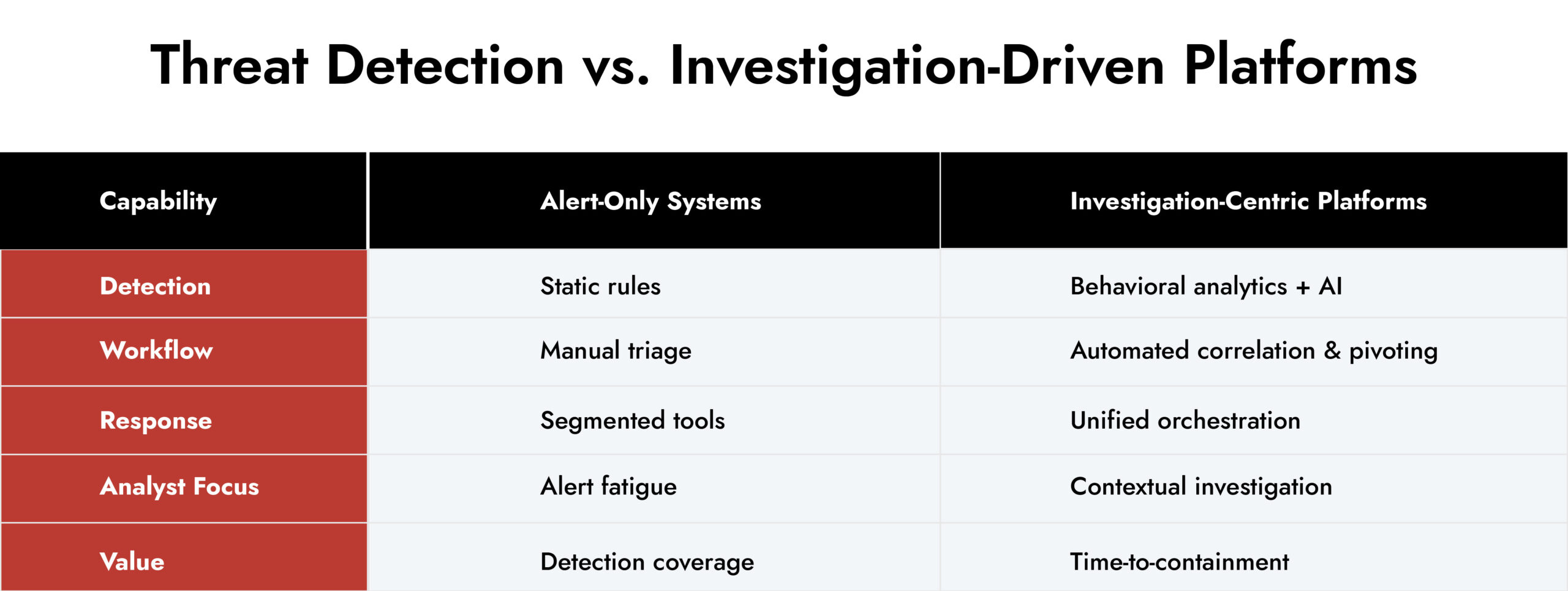
So, organizations need to focus on strength as much as recovery. Services should focus on: Immutable backups Incident reaction preparation Threat intelligence Endpoint Detection & Response (EDR) Service continuity planning Cyber resilience is now simply as essential as avoidance. Both aid companies get ready for, handle, and recover from attacks.
Organizations require to stay up to date with altering rules and keep customer trust. This means they likewise have to improve their own privacy practices. Important priorities consist of: Data classification File encryption Permission management Privacy-by-design Data Loss Prevention (DLP) Regulatory reporting Personal privacy is ending up being a competitive benefit instead of simply a compliance requirement.
Security can no longer wait till production is done. It should be incorporated throughout the software application development lifecycle. Organizations significantly incorporate security throughout the software advancement lifecycle. Protected coding practices Fixed Application Security Checking (SAST) Dynamic Application Security Testing (DAST) Interactive Application Security Checking (IAST) Software Structure Analysis (SCA) Infrastructure-as-Code scanning Finding vulnerabilities early makes fixing them much less expensive.
Scaling Infrastructure for Enterprise Automation Workloads
Executives now see cybersecurity as an organization danger, not just a tech concern. Because of this, they're focusing more on durability metrics. Leading companies now measure: Mean Time to Identify (MTTD) Mean Time to React (MTTR) Recovery Time Objectives (RTO) Organization connection readiness Third-party cyber risk Executive cyber readiness Cyber resilience helps organizations keep running throughout significant cyber occurrences.
XEvil 5
To remain ahead of changing cyber threats, organizations should focus on: Embracing a No Trust security architecture. Reinforce identity and access management. Buy AI-powered risk detection and reaction. Secure cloud facilities and APIs. Continuously display software application supply chains. Automate security operations anywhere possible. Conduct routine penetration screening and vulnerability assessments.
Foster a security-first culture through ongoing employee awareness training. Continually evaluation compliance and data privacy requirements. In 2026, is all about intelligence, automation, durability, and proactive defense. These patterns assist organizations deal with a more complex risk landscape. The future of cybersecurity isn't simply about developing stronger defenses. It has to do with creating flexible, resilient systems that can quickly and confidently anticipate, detect, react to, and recuperate from attacks.
proxies for XEvilCompanies that buy cybersecurity now will reduce threat, build client trust, adhere to guidelines, and acquire an edge in a digital world. We assist organizations enhance their cybersecurity with total solutions for today's changing threats. Our services include Vulnerability Assessment & Penetration Screening (VAPT), Managed Detection & Action (MDR), Cloud Security,,, Identity & Access Management, Security Compliance, and AI-driven cybersecurity consulting.
In addition to the increase in supply-chain attacks, IBM X-Force observed a 44% year-over-year boost in the exploitation of public-facing applications. According to the report, public facing applications are commonly exploited due to vulnerabilities and implementation or setup mistakes; this threat was magnified by supply chain attacks targeting advancement environments and relied on facilities.
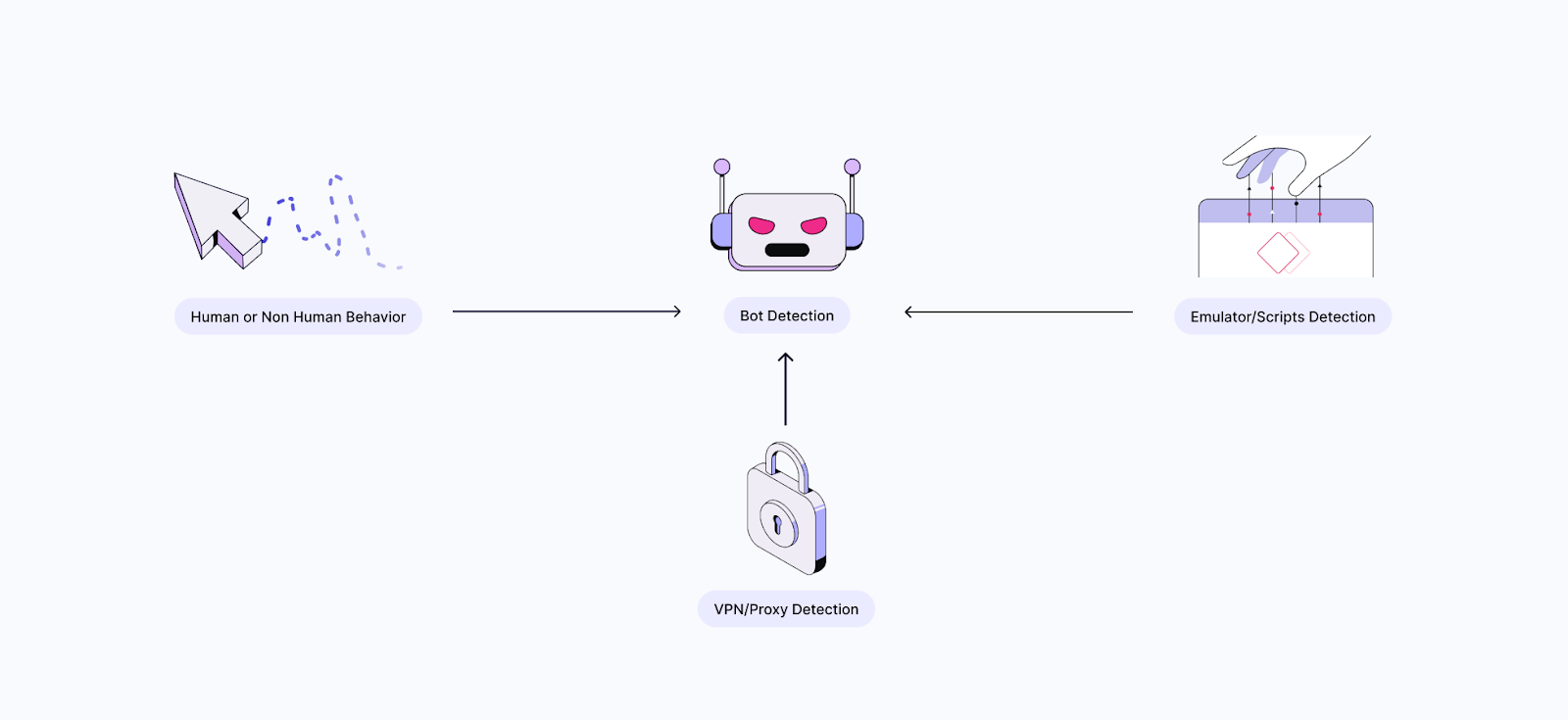
How Bot Detection Is Evolving in 2026
"We're moving into a world of untrusted systems," stated Bruce Schneier, a cybersecurity and public policy expert at the Harvard Kennedy School. (Schneier was also CTO of Resilient Systems, obtained by IBM in 2016 and the originators of IBM X-Forceed.) Solutions are limited, he warned, and even the ones typically suggested, such as greater openness, just work in perfect conditions.
He kept in mind that many companies still do not have the presence and competence required to turn that insight into significant defense.
As companies race toward an AI-driven future, cybersecurity leaders are under more pressure than ever to protect data, facilities, and digital trust. Gartner's Leading 10 Strategic Innovation Trends for 2026 provides a powerful sneak peek of where security is headedand what CISOs and IT leaders need to prepare for now. Below is a deep dive into the cybersecurity-relevant patterns forming 2026, what they suggest for your organization, and why companies must reassess their security roadmaps today.
Security teams will shift from reactive monitoring to proactive, AI-assisted hazard anticipation and automated remediation. AI-powered security needs compute.
The Role of AI for Future Security
With sensitive information moving throughout clouds and edge devices, confidential computing is ending up being vital. It safeguards data not simply at rest or in transit, but in useclosing an enduring security gap. It will end up being the gold standard for securing AI workloads, regulated data, and cross-border operations. Multiagent AI systemsmultiple smart representatives working togetherwill power more adaptive decision-making throughout applications and security tools.